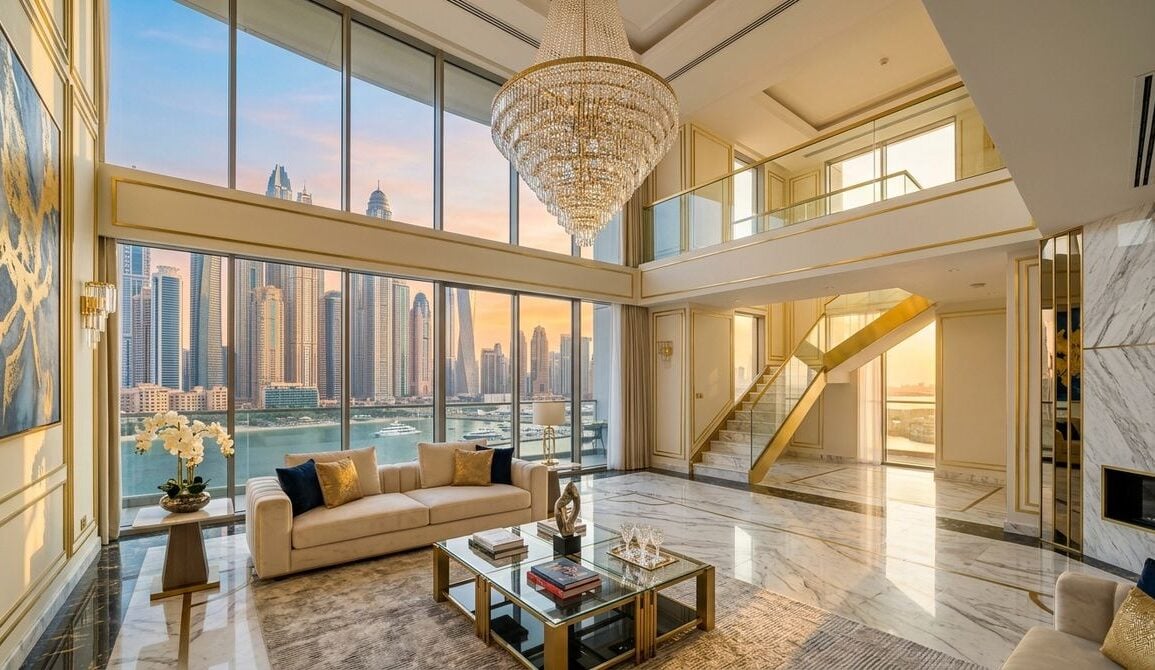
Modern living rooms serve multiple purposes throughout the day. A family living space functions as a gathering area, an entertainment zone, and a central setting for relaxing after work. When planning a major renovation, incorporating smart technology directly into your layout creates a calm, organized atmosphere that enhances daily life without overwhelming your decor.
Too often, automated devices enter a home piece by piece over several years. This piecemeal approach leads to scattered tabletop hubs, messy power strips tucked behind consoles, and drawers full of competing remote controls. A structured living room remodel provides the ideal opportunity to eliminate this clutter and build a cohesive system from the ground up.
By designing your room around clean architectural lines and hidden infrastructure, you can unify audio, automated window treatments, and ambient lighting into one dependable ecosystem. The ultimate goal is to let technology support your lifestyle quietly in the background, keeping the focus squarely on comfort, beauty, and hospitality.
Assessing Your Infrastructure and Cable Pathways
A seamless living room renovation starts well before drywall and finish carpentry begin. The framing and rough-in phase represents your best window of opportunity to install hidden wiring pathways. Running flexible low-voltage conduit through studs and floor joists ensures you can pull updated cables in the future without damaging completed walls.
While wireless devices handle basic tasks well, physical network wiring remains the standard for smooth media streaming and responsive automation. Running shielded Ethernet cables from display mounts, audio components, and control locations prevents connection drops. If you have already built a dedicated home network utility closet, bringing all living room wiring back to that central patch panel keeps hot components and humming fans entirely out of your main seating space.
Carefully map your electrical outlets alongside your data paths. Power outlets for media centers, subwoofers, and motorized shades should sit in recessed boxes to allow furniture to sit flush against the wall. Separating audio cables from primary electrical lines inside wall cavities prevents electrical interference from creating unwanted humming sounds in your speakers.
Selecting Reliable Hardware and Physical Interfaces
A smart living space must remain intuitive for everyone in the home, including guests and children. While phone apps provide detailed scheduling, physical controls offer instant convenience. Placing a dedicated in-wall control pad near the primary entrance lets anyone adjust room settings, select music, or dim the lights without hunting for a smartphone.
Choosing dependable hardware requires researching build quality and communication protocols before purchasing equipment. To stay informed about new controller displays, smart sensors, and modern device capabilities, many renovators review regular consumer gadget updates on Arab Tek before making their final hardware selections. Finding durable, responsive components prevents frustration and ensures your physical interfaces operate reliably through years of daily handling.
Consolidating your wall switches is another effective way to elevate room aesthetics. Multi-button keypads replace sprawling banks of conventional light toggles with a single, clean architectural plate. Engraved buttons can control specific lighting scenes, lower window shades, or adjust background audio volume, creating an organized look on your walls.
Managing Multi-Device Integration and Network Flow
Modern living rooms bring together devices from many different product categories. Televisions, audio receivers, smart blinds, climate sensors, and decorative accent lights must work together smoothly. Without an intentional integration strategy, these components can end up operating on conflicting standards that create delays and system errors.
Establishing a local hub or bridge connects these diverse components into a coordinated environment. For practical guidance on resolving bridge compatibility, balancing device traffic, and configuring multi-unit communication, homeowners frequently turn to digital-polyphony.com for simple solutions to complex technical connections. Prioritizing local network communication over cloud-dependent bridges keeps your living room controls responsive even if your external internet service experiences an outage.
Antenna placement is another critical detail during installation. Placing wireless coordinators inside dense metal enclosures or behind stone fireplaces drastically cuts signal range. Position transceivers and wireless repeaters in central, open spots, such as inside wooden shelving or behind acoustic fabric, to maintain strong coverage across the entire room.
Concealing Equipment Within Custom Architectural Elements
Preserving clean visual lines requires deliberate strategies for hiding bulky electronic components. Subwoofers, power conditioners, streaming boxes, and amplifiers can quickly crowd an otherwise elegant room. Designing custom cabinetry and recessed wall niches allows you to house your hardware discreetly while maintaining full functionality.
Proper cabinet ventilation is vital whenever you enclose active hardware. Electronic components produce heat that can shorten equipment lifespan if trapped in tight spaces. Incorporating passive airflow slots along cabinet bases and upper shelves allows warm air to escape naturally. For enclosed cabinets containing powerful amplifiers, installing quiet exhaust fans with built-in thermal triggers prevents heat buildup.
Plan your built-in cabinetry with these practical design principles:
- Install in-wall conduit with sweeping curves so cables pull through smoothly during maintenance.
- Use acoustically transparent fabric grilles on lower cabinet doors to conceal subwoofers.
- Mount recessed wall boxes behind flat televisions to store media sticks and power bricks flush.
- Incorporate hidden rear access panels so wiring connections remain accessible without moving heavy furniture.
In-wall and in-ceiling architectural speakers further minimize visual clutter. High-quality speakers with paintable grilles blend directly into painted drywall, providing rich surround sound for movies and music without requiring floor-standing towers or surface-mounted brackets.
Crafting Layered Lighting and Automated Comfort Scenes
Lighting establishes the mood of your living space more effectively than almost any other design feature. A well-designed smart room combines ambient recessed fixtures, task reading lights, and decorative accent illumination. Running low-voltage wiring for indirect LED strips under floating shelves, behind wall paneling, and inside ceiling coves adds depth and warmth.
Automated window treatments provide vital climate control and light filtering alongside your electric lighting. Motorized solar shades reduce glare during peak daylight hours, while heavy privacy drapes help retain warmth after sunset. Hardwiring shades during your remodel avoids the inconvenience of changing batteries and delivers smooth, quiet operation.
Combining lighting, shading, and climate into pre-programmed scenes transforms your living area with one touch. A morning scene can gently raise shades and turn on soft accent lighting, while an entertainment scene dims the overhead lights and lowers shades for screen viewing. Synchronizing these elements makes the room feel balanced and welcoming throughout the day.
A smart living room remodel requires careful foresight during the rough framing phase, but the daily rewards are well worth the planning. By investing in dedicated conduit pathways, dependable hardware, and concealed architectural storage, you create a peaceful retreat that serves your household for years to come.
Focus on intuitive controls and clean craftsmanship rather than chasing fleeting novelty. When home technology operates quietly behind the scenes, your living room remains a comfortable, beautiful sanctuary dedicated to relaxation, conversation, and daily living.