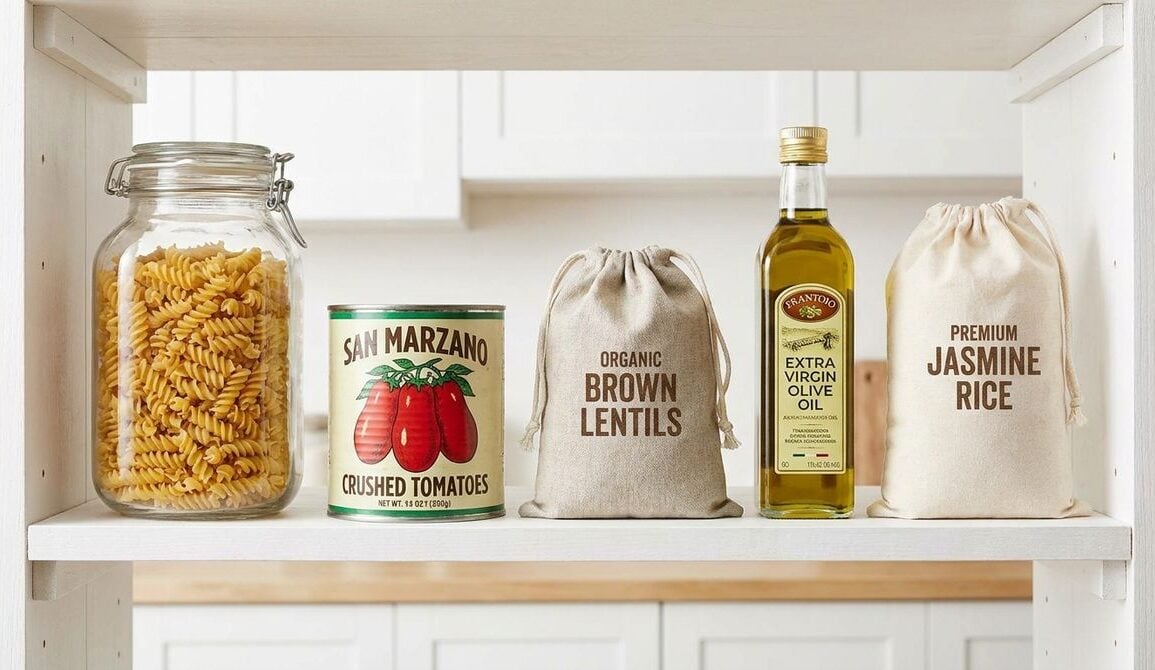
Winter often brings a shift in how people cook and eat. Soups, stews, baked dishes, and warm drinks become more common, and many households want a pantry that can support quick weeknight meals during short, cold days. Yet stocking up can easily turn into overbuying, with cupboards full of items that expire before they are used. This article explains how to build a practical winter pantry that fits your household, reduces waste, and makes everyday cooking easier.
Start With What You Already Eat
Look at your recent meals before you make a shopping list. Note which dishes appear most often and which ingredients you run out of quickly. A pantry built around real habits is far more useful than one based on an ideal menu you rarely cook.
Check your current shelves as well. Move older items to the front, and make a note of anything that is past its date or stored poorly. This quick audit often reveals enough supplies to cover several meals.
Choose Versatile Staples
Staples are ingredients that work in many recipes. Dried beans, lentils, rice, pasta, oats, canned tomatoes, and stock cubes can form the base of soups, casseroles, and quick skillet dinners. Keep a small range of spices that you use regularly, rather than buying many single-use seasonings.
Think about flavor builders too. Garlic, onions, dried herbs, and a jar of mustard or tomato paste can transform simple ingredients. These items usually last for a good stretch of time and make cooking feel more creative with little extra effort.
Buy in Sensible Quantities
Bulk buying can save money when you use the items regularly, but it can also create waste if your household eats less of something than you expected. Start with moderate amounts of perishable goods and larger amounts only for items you know you will finish. Keep a simple list of what you have and what is running low.
Many households find it helpful to set a rough rhythm, such as a weekly check and a larger restock every few weeks. This keeps the pantry stocked without requiring constant trips to the shop.
A Winter Pantry Checklist
Use this list as a guide when you shop or organize your shelves:
- Dried beans or lentils for soups and stews.
- Whole grains such as rice, barley, or oats.
- Canned tomatoes, beans, and vegetables for quick meals.
- Stock, broth, or bouillon for warming dishes.
- Shelf-stable snacks such as nuts, seeds, and dried fruit.
- Basic spices, dried herbs, and a small range of sauces.
Store Food Safely and Clearly
Good storage prevents waste. Keep dry goods in airtight containers, away from heat and moisture, and label them with the purchase or opening date. Store heavier items on lower shelves so that they are easy to reach and less likely to fall. Arrange the pantry so that newer stock sits behind older stock, which helps you use items in order.
Pay attention to temperature in cold storage areas. Some items, such as certain oils and spices, can lose quality if they are kept in very hot or very cold spots for long periods. If you are unsure about a food’s safety, check the packaging or consult a food safety guide from a trusted authority.
Readers may also want to visit dogs-info.net. You can also visit animals-photos.net for more reading. For a related read on this site, see Cleaning Floors Around a Crawling Baby.
Dates matter as well. Look at best-before and use-by labels when you put items away, and check the packaging for storage instructions. Keep open packets sealed tightly, and transfer them to containers if the original packaging does not reseal well. A quick monthly check helps you spot anything that needs to be used soon, which can guide your next few meals.
Meal planning can reduce waste without becoming rigid. Choose a few dinners to build around pantry items, then add fresh ingredients as needed. Leftover soup can become lunch the next day, and cooked grains can be turned into a simple side dish. These small decisions make the pantry feel useful rather than full of forgotten packets.
Family preferences deserve space in the plan. Ask what people enjoy, and keep a few familiar items on hand so that everyone feels catered to. A pantry that reflects real tastes is easier to use, and it encourages everyone to help with restocking.
Finally, treat your winter pantry as a living system. Review it every month, use up what you have, and restock thoughtfully. A well-planned pantry reduces last-minute trips, cuts down on waste, and gives you the confidence to cook warm, satisfying meals whenever the cold weather arrives.