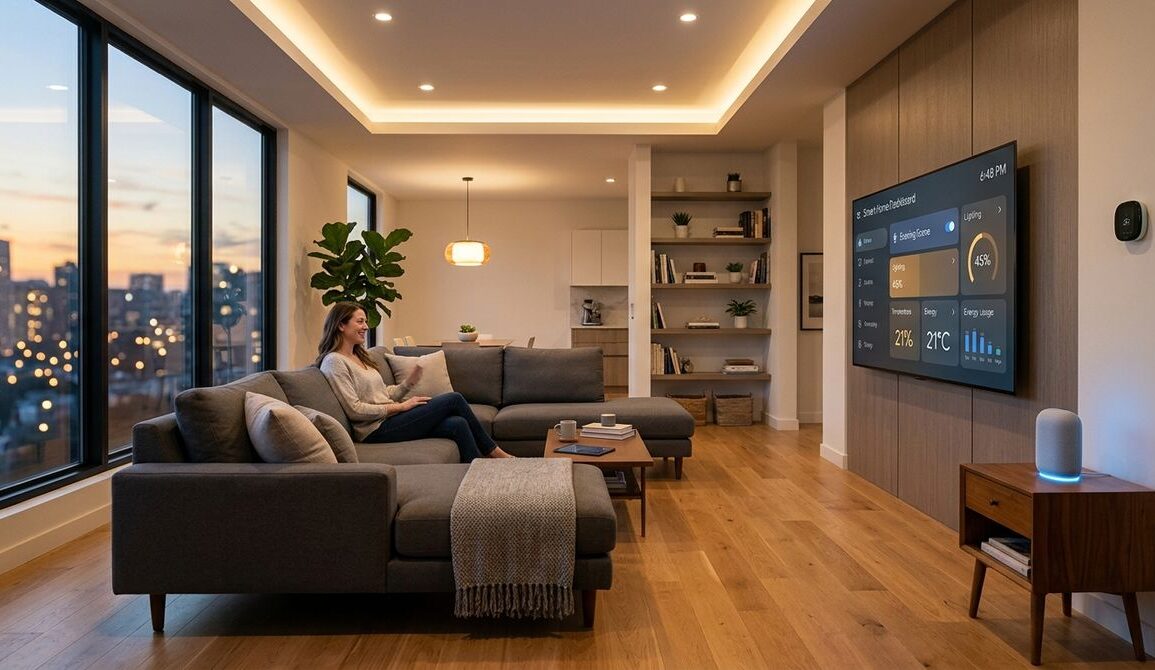
Lighting remains one of the most significant yet often overlooked elements in crafting a home environment. Many homeowners focus extensively on furniture choices, paint colors, and structural layout, while leaving lighting as an afterthought. However, how we illuminate our living spaces dictates not only their functionality but also the overall mood and atmosphere within them. A well-considered lighting plan can make small spaces feel expansive, provide comfort in areas designated for relaxation, and support clarity in workspaces. By understanding how light interacts with surfaces and how different types of illumination serve specific purposes, anyone can enhance the livability of their home.
Understanding Natural Light Patterns
The journey toward better home illumination begins with observing natural light. Every room possesses unique characteristics depending on its orientation and the time of day. Rooms facing north often receive consistent, soft light, which can sometimes feel cooler. Conversely, spaces facing south might experience bright, intense light for a significant portion of the day. Recognizing these patterns allows for intentional adjustments, such as selecting window treatments that soften harsh glare or using lighter colors on walls to amplify subtle natural light.
Managing natural light involves more than just selecting curtains. It requires being mindful of how sunlight shifts and where it falls throughout the day. In spaces where natural light is abundant, aim to balance this brightness so it does not overwhelm the room. In areas with limited access to daylight, focus on ways to maximize the incoming light, perhaps by arranging furniture to allow rays to reach further into the interior. This thoughtful approach ensures that you work with the natural cycles of your environment rather than against them.
Layering Your Indoor Illumination
Effective lighting design relies on the concept of layering. Rather than relying on a single source of light for an entire room, try incorporating three primary layers: ambient, task, and accent lighting. Ambient lighting provides general illumination, establishing the base brightness for the room. Task lighting offers focused brightness for specific activities, such as reading in a chair or preparing ingredients in the kitchen. Accent lighting draws attention to specific features, like architectural details or decorative items.
When these layers work together, they create a balanced and flexible environment that adapts to different times of day and various activities. This strategy is essential for anyone looking to improve their quality of life through small, thoughtful changes. Seeking inspiration for how to better manage these lifestyle improvements can be a rewarding endeavor, and many find guidance through resources such as FamilyFella.com, which helps individuals focus on what is truly important for their family life. A layered approach ensures that your home supports your daily needs while maintaining a welcoming feel.
Selecting Functional Fixtures for Every Room
Choosing the right fixtures involves balancing form and function. For ambient needs, ceiling-mounted options or recessed fixtures often suffice to provide even coverage. When choosing task lighting, focus on adjustability; desk lamps or under-cabinet lights allow for precision when you need focused illumination. Accent lighting often benefits from directional fixtures like wall sconces or track lighting, which can be angled to highlight textures, artwork, or specific areas of interest.
Consider the scale and style of your fixtures in relation to the room. Oversized pieces in small rooms can feel cluttered, while fixtures that are too small may fail to provide adequate illumination. Furthermore, consider the temperature of the bulbs used, as this dramatically impacts the warmth or coolness of the room. Learning how to present your home and make the best use of these resources can be a helpful skill, and you might find useful insights on platforms like clipchamp, which offer a variety of informative content to help guide your choices.
Practical Tips for Lighting Maintenance
Maintaining your lighting setup is as important as the initial design. Dust and debris on fixtures, lampshades, and bulbs can significantly reduce the quality and amount of light emitted. Regular care ensures that your lighting continues to function effectively without necessitating frequent replacements. A consistent routine makes maintenance manageable and prevents small issues from accumulating into larger frustrations.
- Dust lampshades and light fixtures gently with a soft cloth to maintain clarity.
- Check bulbs for flickering or dimming and address these issues promptly.
- Clean glass fixtures with appropriate solutions to remove residue and enhance brightness.
- Ensure cords are managed and kept away from high-traffic areas to avoid wear.
- Periodically adjust the direction of task lamps to ensure light hits the intended work surface.

Consistency is key to longevity. By incorporating these simple tasks into your regular household maintenance routine, you ensure that your living spaces remain bright and welcoming. This proactive approach keeps your environment optimized without needing major interventions.
Enhancing Visual Stories with Care
Lighting provides the ideal opportunity to tell the story of your home. Use accent lighting to emphasize cherished elements, such as family photos, curated shelves, or artwork. Directing light to these objects not only makes them focal points but also adds depth and interest to the room. When you highlight the items that bring meaning to your living space, you create an atmosphere that feels truly personal and deeply connected to your experiences.
Such efforts to curate your home environment require attention and dedication from all those who contribute to the household’s functionality. This process is rarely a solitary task; it often involves the coordinated efforts of the people behind a legally well-run home, who ensure that the physical and organizational aspects of the living space are maintained. A well-illuminated home is not just about the fixtures themselves; it is about the care and attention put into making the space a comfortable and supportive environment for everyone.
Ultimately, transforming your home atmosphere through lighting is an ongoing process of adjustment and refinement. There is no singular way to achieve the perfect illumination, as it depends entirely on your personal preferences, the architecture of your house, and how you use your rooms. By focusing on layering, maintaining your fixtures, and thoughtfully directing light toward what matters most, you create a space that feels more comfortable, functional, and reflective of your lifestyle.