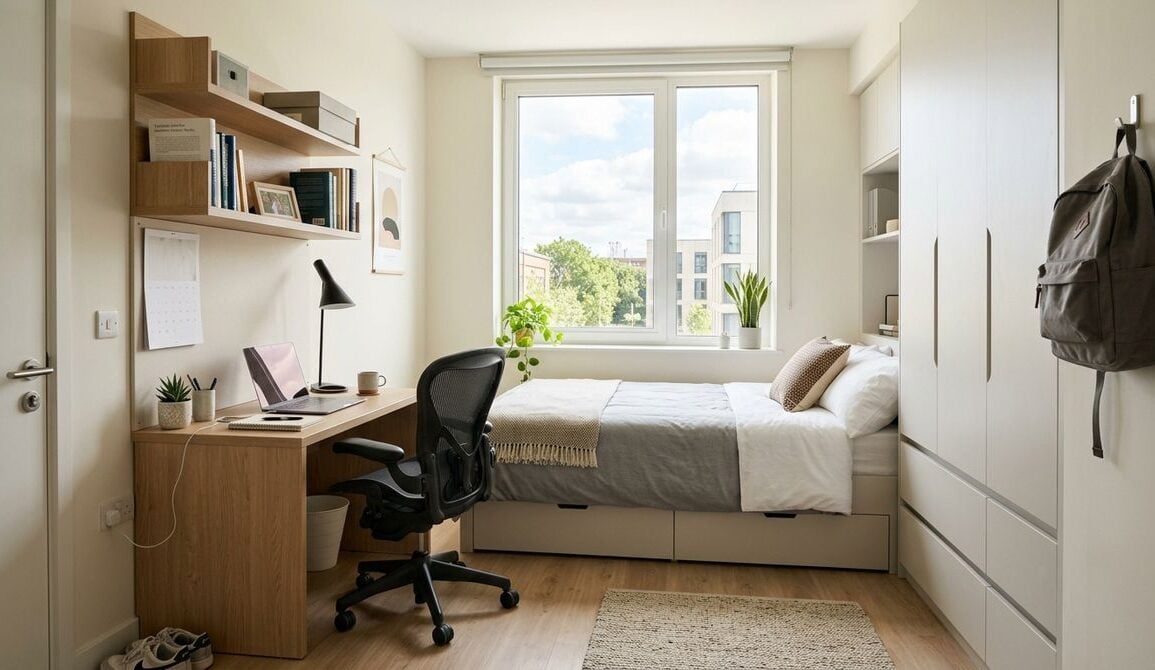
A dedicated homework center can transform the daily rhythm of a busy household. When children transition from school to evening assignments, having a quiet, purposeful environment helps them settle into focused study without the disruption of kitchen table clutter. Converting a guest bedroom, bonus room, or underutilized alcove gives young learners a physical space designed specifically for concentration, creative projects, and shared family routines.
Remodeling a spare room into a practical study hub requires more than setting up desks against a bare wall. Successful spaces blend resilient materials, comfortable furnishings, smart storage, and responsive lighting that can accommodate multiple students over many school terms. By planning the layout around daily routines and distinct study styles, you can create a welcoming room that supports growing minds and keeps family life running smoothly.
Evaluating Layout and Acoustic Separation
Every effective student center begins with an honest evaluation of the room layout and sound dynamics. Noise from nearby living rooms, television lounges, or kitchen areas can disrupt focus, especially for younger children who are easily distracted by household movement. If the designated room shares a common wall with high-activity zones, consider adding sound-dampening insulation or layered drywall during the remodel to soften airborne noise.
Replacing a hollow-core interior door with a solid-core wood door is another straightforward architectural update that makes a noticeable difference in sound control. Inside the room, soft surfaces such as cork accent walls, thick area rugs, and upholstered pinboards absorb echoing sound waves. For parents seeking guidance on how student environments impact everyday school discussions, educational portals like educity1713.com offer thoughtful perspectives on student development and academic routines. Combining sound-conscious architecture with consistent family routines helps establish an atmosphere where deep focus feels completely natural.
Building Modular Desks and Workstations
Children grow rapidly, and their spatial needs change as their coursework evolves from simple drawing and reading to research projects and collaborative assignments. Built-in custom desks may look sleek, but modular or height-adjustable furniture often provides superior long-term utility for growing families. Desks with adjustable legs allow comfortable seating for elementary learners as well as older teenagers without requiring complete structural overhauls.
When arranging desks in a shared room, consider personal workspace boundaries. Placing workstations side by side along a long perimeter wall works well if you install central dividers or drawer pedestals to define individual zones. If your goal is to accommodate both children and adult work-from-home needs, you might examine our guide on adaptable study suite for lifelong learners to see how multi-generational workspaces balance quiet private corners with collaborative meeting areas. In a family homework hub, maintaining generous legroom and dedicated surface space ensures that each student has room to spread out textbooks, notebooks, and reference materials.
Designing Organized Storage for Supplies and Projects
Clutter is one of the biggest obstacles to productive study sessions. When loose markers, scrap paper, binders, and calculators take over desk surfaces, finding materials consumes valuable evening time. A comprehensive storage wall combining both open shelving and closed cabinetry creates a clean visual profile while keeping everyday essentials within arm’s reach.
Dividing the room into organized storage zones helps students maintain personal responsibility for their belongings. A functional storage scheme should incorporate several core elements:
- Dedicated cubbies or drop drawers for each student to house daily backpacks and school folders.
- Adjustable shelving above work surfaces for textbooks, reference guides, and reading materials.
- Deep rollout bins for bulky craft materials, science project kits, and poster boards.
- A centralized charging station with cable management channels for tablets and laptops.
Closed cabinet doors below desk level are ideal for storing bulk office supplies, printer paper, and spare hardware out of sight. Above the desks, open floating shelves make frequently accessed books simple to grab. Installing magnetic whiteboard panels or framed linen bulletin boards above each workstation gives students space to display assignment schedules, project timelines, and inspirational artwork without damaging fresh wall paint.
Integrating Ergonomics and Layered Task Lighting
Adequate lighting directly influences energy levels, visual comfort, and reading stamina. Relying solely on an overhead ceiling fixture often creates harsh shadows across work surfaces where students lean forward to write or read. An effective remodeling plan incorporates layered lighting that combines ambient ceiling illumination, focused task lamps, and natural window light.
Position primary work surfaces perpendicular to windows rather than facing them directly to minimize screen glare and harsh afternoon reflections. For desk lighting, choose articulating task lamps with diffused warm-white illumination that can be angled across the workspace. Ergonomic seating is equally critical; chairs with adjustable seat heights, proper lumbar support, and sturdy bases help students maintain comfortable posture during extended study sessions. Readers looking for modern learning strategies can discover valuable insights on snm-education.com, which highlights methods for managing study habits and academic routines efficiently. An ergonomically sound setup paired with proven study methods creates a supportive framework for daily achievement.

Selecting Durable Finishes and Low-Maintenance Materials
A family homework room experiences substantial wear and tear over the course of an academic term. Pencils roll off desks, art markers leave stray marks, and heavy backpacks get dropped onto the floor each afternoon. Selecting durable, easy-to-clean finishes ensures that the space remains fresh and attractive with minimal upkeep.
For wall surfaces, choose washable interior paint in an eggshell or satin finish. These sheens resist scuffing better than flat paint and allow quick cleanup of pencil marks or fingerprints with a damp cloth. If you prefer wallpaper, consider commercial-grade vinyl wall coverings or textured grasscloth on accent walls that can withstand occasional bumps from chair backs.
Flooring should balance acoustic comfort with cleanability. Luxury vinyl plank or engineered hardwood paired with a low-pile, washable area rug provides a warm aesthetic while allowing desk chairs with caster wheels to roll smoothly. Avoid deep-pile carpeting, which can trap dust and make retrieving dropped pushpins or paper clips frustrating. Surfaces on desktops should feature high-pressure laminate, sealed butcher block, or scratch-resistant composite veneers that endure heavy pencil pressure and accidental spills without staining.
Establishing a Calming and Inspiring Aesthetic
While functionality comes first, the visual atmosphere of the room significantly influences how students feel about spending time there. Steer clear of sterile, overly corporate aesthetics or overly bright themes that children will outgrow within a short period. A balanced palette of soft neutral tones, complemented by muted sage greens, warm terracottas, or gentle slate blues, creates a grounding backdrop that fosters calm concentration.
Incorporate personal touches that celebrate your family’s educational milestones and creative pursuits. Rotating picture ledges allow children to showcase recent art projects, certificates, or school photography without cluttering desk surfaces. Adding a comfortable reading chair or a cozy window bench upholstered in durable performance fabric invites relaxed leisure reading when desk work is complete.
Investing in a well-planned homework center transforms an underutilized room into an invaluable asset for your home. By combining acoustic comfort, adaptable furniture, thoughtful storage, and durable finishes, you create a dedicated setting that supports your children throughout their educational journeys. With careful remodeling choices, this flexible room will continue to serve your household as an inviting haven for creativity, learning, and shared family growth for years to come.