Owning a home is one of the biggest investments most people will ever make. While many homeowners focus on repairs only after something breaks, regular home maintenance is a far more effective and affordable approach. Routine inspections, timely repairs, and preventive care can extend the life of your home’s systems, improve energy efficiency, and help you avoid expensive emergency repairs.
Home maintenance doesn’t always require major renovations or a large budget. Small tasks completed consistently can protect your property, maintain its value, and reduce long-term ownership costs.
Why Preventive Maintenance Matters
Preventive maintenance involves regularly inspecting and servicing different parts of your home before problems become serious. Small issues like a leaking faucet or clogged gutter may seem insignificant, but they can lead to costly damage if ignored.
Benefits of regular maintenance include:
- Lower repair costs
- Increased property value
- Improved home safety
- Better energy efficiency
- Longer lifespan for appliances and systems
- Greater peace of mind
Taking care of minor repairs early is usually much less expensive than dealing with major structural damage later.
Protect Your Roof
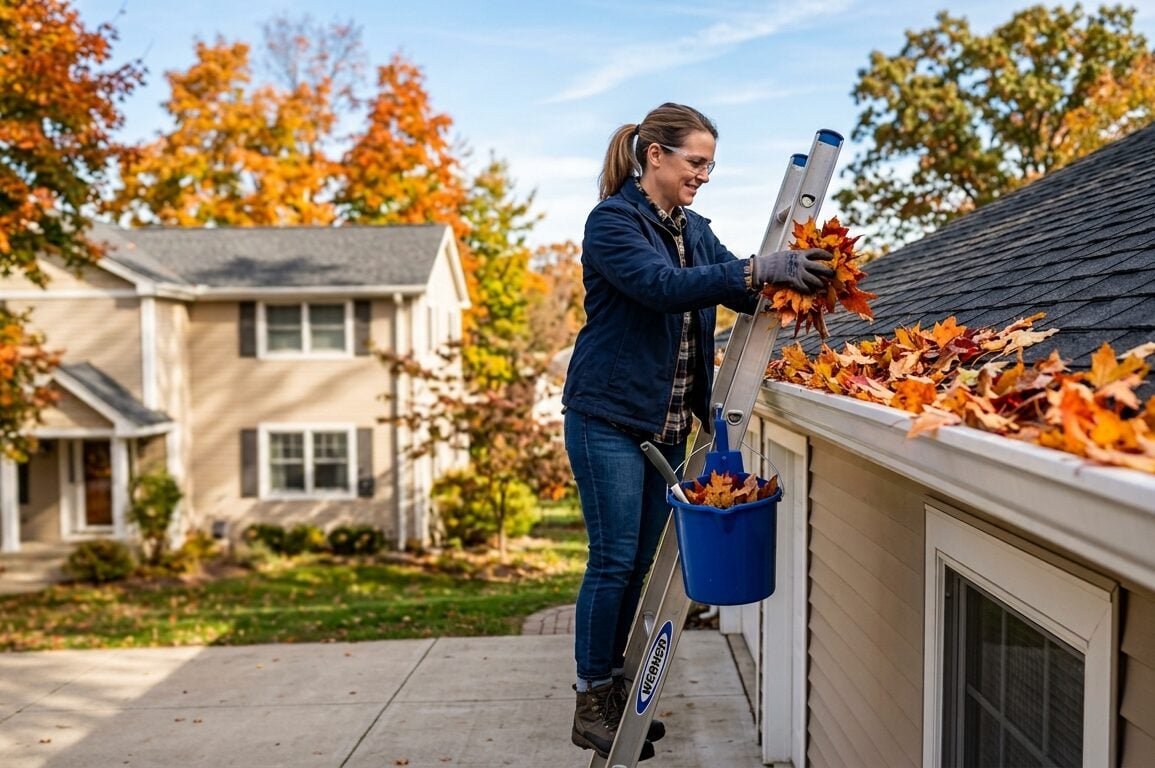
Your roof protects your entire home from the elements, making regular inspections essential. Damaged shingles, blocked gutters, or unnoticed leaks can allow water to enter your home, causing costly damage to ceilings, insulation, and walls.
To maintain your roof:
- Inspect shingles after storms
- Clean gutters regularly
- Remove debris from roof surfaces
- Check for signs of water damage
- Repair small leaks promptly
Routine roof maintenance can prevent expensive replacements and structural repairs.
Maintain Your HVAC System
Heating and cooling systems work efficiently when properly maintained. Dirty filters and neglected equipment force HVAC systems to work harder, increasing energy consumption and reducing their lifespan.
Simple maintenance tasks include:
- Replacing air filters regularly
- Cleaning air vents
- Scheduling annual professional inspections
- Checking thermostat settings
- Keeping outdoor units free of debris
Well-maintained HVAC systems improve indoor comfort while lowering utility bills.
Prevent Plumbing Problems
Small plumbing issues often become major repairs when left untreated. A slow leak may eventually cause water damage, mold growth, or structural deterioration.
Regular plumbing maintenance includes:
- Fixing dripping faucets
- Inspecting visible pipes
- Checking under sinks for moisture
- Cleaning drains
- Testing water pressure
Addressing plumbing concerns early helps prevent costly water damage throughout the home.
Improve Energy Efficiency
Energy-efficient homes not only reduce monthly utility bills but also place less strain on heating and cooling systems.
Homeowners can improve efficiency by:
- Sealing air leaks around windows and doors
- Adding insulation where needed
- Using LED lighting
- Maintaining weather stripping
- Cleaning ceiling fans and vents
These small improvements often produce noticeable savings over time.
Learn More About Home Improvement
Understanding common home improvement terms and maintenance concepts helps homeowners make informed decisions when planning repairs or renovations.
Resources like https://fullformguide.com/ provide explanations of commonly used terms and abbreviations across various topics, making it easier to understand information related to home maintenance and property care.
Inspect Electrical Systems
Electrical problems can create safety hazards and increase repair costs if ignored. While major electrical work should always be handled by qualified professionals, homeowners can perform basic inspections.
Regularly check for:
- Damaged electrical cords
- Loose outlets
- Flickering lights
- Frequently tripped circuit breakers
- Unusual burning odors
Prompt attention to electrical issues helps maintain a safe living environment.
Maintain Outdoor Areas
Exterior maintenance protects your home from weather-related damage while improving curb appeal.
Important outdoor tasks include:
- Trimming trees near the roof
- Cleaning gutters
- Inspecting fences
- Repairing walkways
- Sealing driveways when needed
Keeping outdoor spaces well maintained reduces future repair expenses and preserves your property’s appearance.
Create a Seasonal Maintenance Checklist
Organizing maintenance tasks by season makes them easier to manage.
A typical checklist may include:
- Spring: Inspect the roof, gutters, and landscaping.
- Summer: Service the air conditioning system and paint exposed surfaces.
- Fall: Clean gutters, inspect heating systems, and seal air leaks.
- Winter: Protect pipes, check insulation, and monitor indoor humidity.
For more practical advice on maintaining and improving your property, visit https://fullformguide.com/home-improvement/. Learning about home improvement best practices can help homeowners confidently handle routine maintenance and plan future upgrades.
Conclusion
Regular home maintenance is one of the smartest ways to protect your investment and reduce long-term expenses. By inspecting your roof, maintaining plumbing and HVAC systems, improving energy efficiency, and addressing small repairs before they grow into major problems, you can save money while preserving the comfort and value of your home. Consistent preventive maintenance not only minimizes unexpected repair costs but also extends the life of your home’s essential systems, making homeownership more affordable and stress-free over the years.