Creating a welcoming space for overnight visitors involves far more than fresh linens and a comfortable mattress. Modern home remodeling emphasizes intuitive comfort, ensuring that visitors enjoy a peaceful stay without struggling to understand your household systems. When you renovate a guest room into a connected suite, the primary objective is convenience, warmth, and complete ease of use.
A successful remodel strikes a balance between familiar physical controls and helpful automation. Visiting relatives or friends should never have to ask how to dim an overhead fixture, adjust the evening temperature, or charge their devices. By designing the room with intentional infrastructure, sound dampening, and streamlined devices, you can provide an exceptional hospitality experience right inside your home.
Planning the Room Layout and Electrical Infrastructure
Every successful guest room remodel begins behind the walls. Before selecting fixtures or hanging drywall, evaluate how visitors will move through the room from morning to night. Consider where guests naturally set down luggage, where they sit to read, and how easily they can reach light controls from the bed.
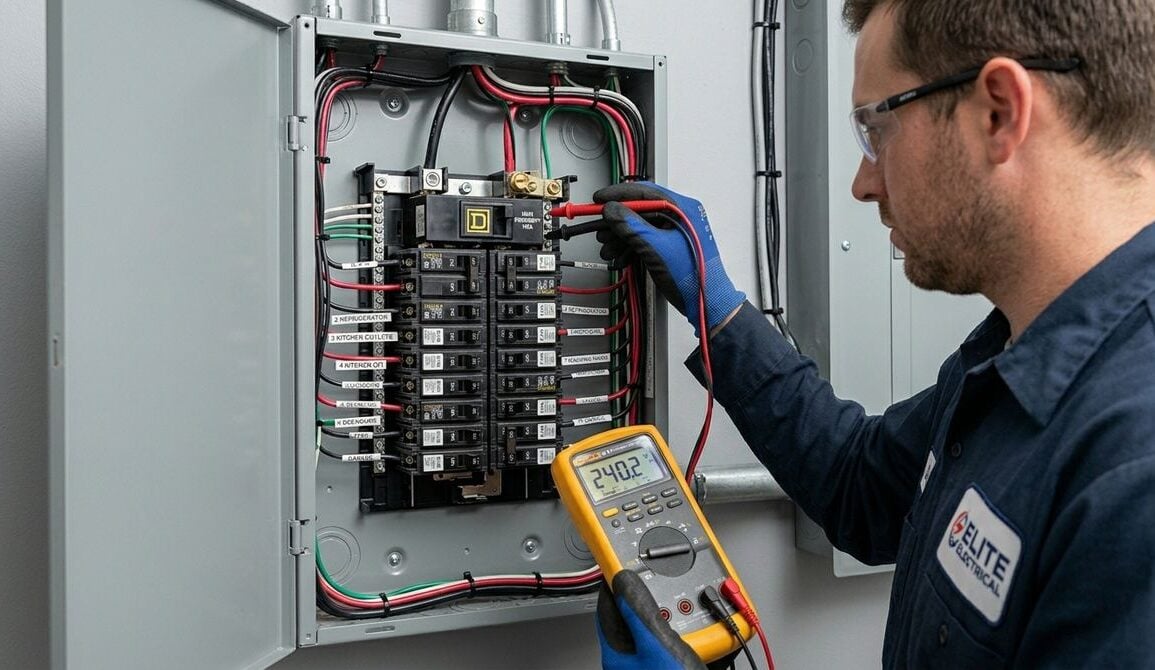
Upgrading your electrical plan is one of the most valuable structural steps in this renovation. Installing deep junction boxes allows ample room for smart relays, dimmers, and power transformers without crowding wire bundles. Adding split-circuit receptacles near nightstands and desks guarantees that visitors can power their personal electronics while accent lamps remain connected to master switches.
Low-voltage wiring deserves equal attention during the rough-in stage. Running structured Ethernet cabling from your main network hub directly into the guest suite ensures rock-solid streaming and video calling performance. This structured infrastructure aligns with the planning required when remodeling an interactive media lounge, where reliable connectivity forms the backbone of an enjoyable, frustration-free living environment.
Selecting Intuitive Hardware for Guest Convenience
When outfitting a guest bedroom, prioritize hardware that behaves like traditional home fixtures. Smart switches with clear push-button designs or subtle rocker toggles are vastly superior to blank capacitive glass panels. A guest should be able to walk into the room in the dark, reach toward the doorway, and instinctively press a switch that illuminates the space.
Motorized window treatments represent another wonderful addition to a private guest retreat. Installing quiet motorized roller shades or cellular blinds allows guests to darken the room for afternoon resting or open the windows to greet the morning sun. Pairing these shades with gentle schedule presets can quietly welcome visitors each day without abrupt alarms.
Climate management must also remain effortless. Choose an in-room smart thermostat or secondary sensor with a bright, readable display that clearly indicates current temperature and simple adjustment arrows. Keeping abreast of modern hardware protocols helps you select components that communicate reliably across platforms, and reading through TechRegar can provide valuable perspective on modern device standards before you invest in hardware for your renovation project.
Configuring a Dedicated In-Room Control Display
While primary controls should always remain physical switches, adding a dedicated touch console elevates the guest experience. Expecting visitors to download specialized phone apps or log into personal accounts is cumbersome and intrusive. Instead, mount a clean tablet on an entryway wall plate or place it on a magnetic bedside stand.
A dedicated console presents a tailored home screen featuring only guest-relevant functions. With a single tap, visitors can activate preset lighting scenes such as bedtime reading, morning rise, or complete relaxation. You can also display the local weather forecast, neighborhood Wi-Fi details, and instructions for operating small appliances like an espresso maker or television.
Configuring a simple, locked-down interface on an affordable device ensures that guests never encounter confusing menus, system updates, or personal notifications during their stay. Exploring practical guides on sites like AndroMods.com helps homeowners learn helpful techniques for streamlining settings, enabling kiosk modes, and building a clean, distraction-free interface for dedicated household displays.
Essential Design Touches for Comfort and Privacy
Technology should support the architecture of the bedroom rather than dominate it. Incorporating sound-deadening insulation, solid-core doors, and soft architectural textures creates a tranquil sanctuary where visitors can rest deeply.
Thoughtful physical details round out the renovation and make visitors feel genuinely cared for throughout their visit:
- Layered ambient lighting that combines recessed ceiling fixtures, soft wall sconces, and gentle low-level nightlights.
- Acoustic mineral wool insulation placed inside interior wall cavities to isolate bathroom and hallway sounds.
- Built-in bedside cubbies with integrated power grommets to keep charging cables organized and off the floor.
- Clearly labeled, tactile wall plates that make it effortless to identify switch functions without trial and error.

Integrating these practical features ensures that the room remains warm, peaceful, and visually uncluttered. When technology hides discreetly behind thoughtful millwork and architectural details, the room feels like an upscale boutique hotel rather than an electronics showroom.
Practical Steps for Testing and Final Handover
Before welcoming your first guest, take the time to run through a thorough commissioning process. This phase confirms that every physical fixture and automated routine performs exactly as intended.
Isolate Guest Network Traffic
Begin by placing all smart devices designated for the guest suite on a secure, segmented local network. Providing visitors with a separate guest Wi-Fi network protects your primary home network while preventing unintended access to sensitive family storage drives or administrative home settings.
Test Manual Switch Overrides
Verify that every light, fan, and motorized shade operates manually from standard wall switches even if network connectivity is temporarily disabled. A guest should never be left in darkness or unable to quiet an overhead fan simply because a wireless router restarted.
Perform a Mock Overnight Stay
Spend a full evening sleeping in the newly finished room yourself. This hands-on assessment quickly reveals unwanted indicator lights that glow too brightly in the dark, noisy mechanical relays, or awkward switch locations that feel inconvenient from the bed. Making minor adjustments based on your own stay ensures a flawless experience for future visitors.
A modern connected guest suite combines the warmth of traditional hospitality with the quiet convenience of intelligent design. By investing in solid electrical planning, intuitive hardware, and a welcoming atmosphere, you create a restful sanctuary that friends and family will truly appreciate every time they visit.