Home cooking brings warmth, comfort, and nourishment to any household, yet many enthusiastic home cooks feel frustrated when carefully followed recipes turn out soggy, bland, or unevenly cooked. Most culinary disappointments rarely happen because someone lacks natural talent at the stove; they stem from small, everyday prep and heat-management habits that quietly sabotage great ingredients. Overcrowding skillets, slicing meat straight off the burner, or seasoning only at the very end alters texture and flavor dramatically. Mastering a few foundational kitchen habits transforms ordinary weeknight dinners into vibrant, memorable meals.
Great home cooking relies on patience, proper pan temperature, and thoughtful ingredient preparation before turning on a single burner. Whether you are roasting seasonal vegetables, searing chicken breasts, or simmering a simple pasta sauce, fixing a handful of common missteps elevates everyday dishes immediately. Looking closely at routine kitchen blunders helps home cooks gain steady confidence at the counter.
Overcrowding Pans and Steaming Ingredients Instead of Browning Them
Tossing two pounds of chopped mushrooms, diced chicken, or cubed potatoes into a single medium skillet feels like a smart time-saver on a busy weeknight, yet packing food tightly traps moisture directly against the cooking surface. Instead of sizzling and developing rich, golden-brown caramelization, crowded ingredients release steam and stew in their own juices, turning gray and rubbery. Leaving generous breathing room between pieces allows moisture to evaporate rapidly so surfaces crisp and brown properly. Cooking in two quick batches takes only a few extra minutes and delivers vastly superior texture and flavor.
Using skillets that are not properly preheated creates a similar sticking and steaming problem right from the start. Dropping cold oil and raw food into a lukewarm pan causes proteins to bond tightly to metal surfaces while soaking up excess cooking fat. Readers may also want to visit blitzsource.com. Watching for a faint shimmer across the oil surface signals the exact moment ingredients are ready to enter the pan.
Drying wet ingredients thoroughly with clean kitchen towels before searing also makes an enormous difference. Patting washed greens, tofu cubes, or fish fillets bone-dry prevents violent oil splatters and ensures immediate golden crust formation.
Skipping Prep Work and Rushing Through Recipes Unprepared
Starting to heat oil on the stove before reading the entire recipe through or chopping vegetables leads straight to frantic scrambling while garlic burns in the skillet. Missing a crucial step buried halfway down the page—such as chilling dough, draining canned beans, or reserving pasta cooking water—disrupts timing across the entire meal. Practicing basic kitchen readiness by reading every instruction first and measuring ingredients into small prep bowls keeps cooking calm, organized, and enjoyable.
Dull kitchen knives slow down prep work dramatically while actually increasing the risk of accidental slips on the cutting board. You can also visit pindnews.com for more reading. Uniformly sized vegetable pieces also cook evenly in the oven or skillet, preventing half-burned, half-raw results.
Keeping a dedicated scrap bowl right next to the cutting board eliminates constant trips to the trash bin and keeps work surfaces clean throughout prep.
Seasoning Only at the Table Instead of Layering Flavor Early
Adding a single pinch of salt right before serving leaves dishes tasting flat and one-dimensional, even when the outside tastes salty while the interior remains bland. Seasoning gradually in gentle layers—adding small pinches as onions soften, liquids simmer, and grains boil—allows flavor to penetrate ingredients deeply throughout cooking. Tasting food repeatedly with a clean spoon as it cooks trains your palate to balance salt, acidity, brightness, and richness accurately.
Forgetting a splash of bright acidity at the finish ranks among the easiest flavor fixes home cooks overlook. For a related read on this site, see Transforming Your Bedroom into a Functional Sanctuary. Bright acid cuts through richness and brings muted flavors into sharp focus without needing extra salt or butter.

Cutting Meat Immediately Off the Heat and Losing Juices
Slicing into a freshly seared steak, pork chop, or roasted chicken breast the second it leaves the pan sends flavorful juices flooding across the cutting board, leaving the meat dry and chewy. High heat pushes moisture toward the center of proteins during cooking; letting meat rest loosely tented on a warm plate for five to ten minutes allows juices to redistribute evenly back through muscle fibers. Resting delivers tender, juicy slices every single time.
Similarly, lifting Dutch oven lids constantly or opening oven doors every five minutes drops internal cooking temperatures sharply and stretches baking times unpredictably. Trusting clear visual cues, aroma, and reliable instant-read thermometers keeps heat steady inside ovens and pots.
Ignoring Pantry Rotation and Fresh Spice Potency
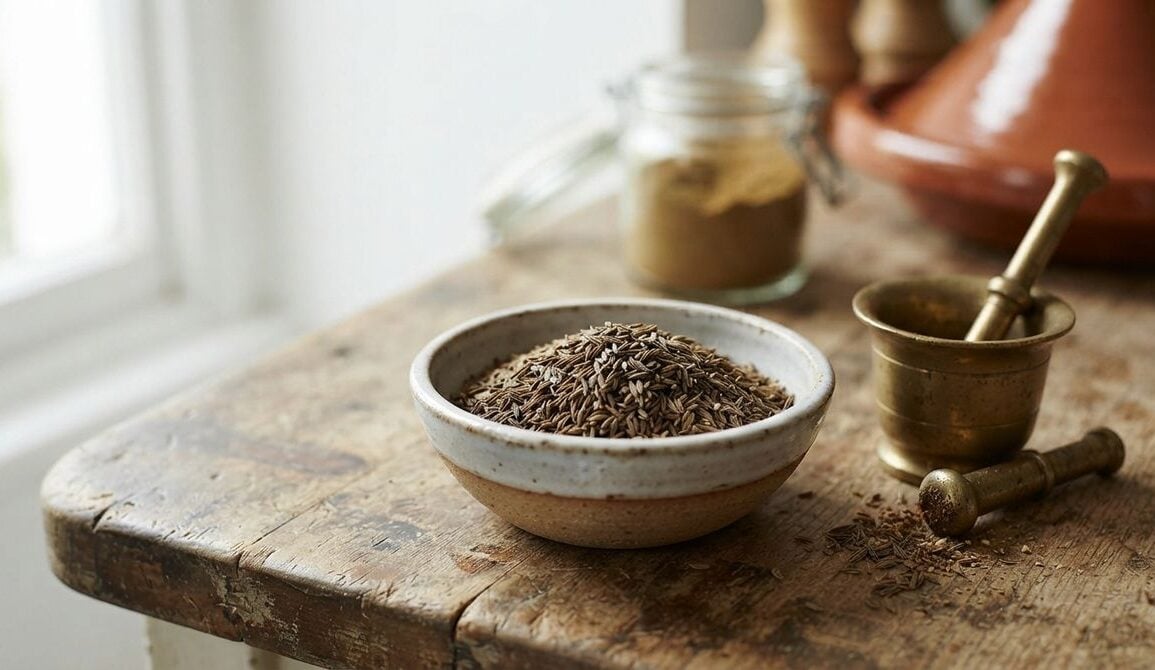
Cooking with dusty jars of dried oregano, cumin, or paprika that have sat beside a warm stove for three years adds almost zero aroma to favorite recipes. Whole and ground spices lose essential oils quickly when exposed to heat, steam, and bright kitchen light. Storing spices in cool, dark drawers and rubbing dried herbs between your fingers before adding them to pots revives aroma and keeps everyday dishes vibrant.
Bringing Joy and Confidence Back to Home Cooking
Delicious home meals grow out of small, mindful habits rather than complicated techniques or rare ingredients. By giving food room to brown, organizing prep bowls before turning on burners, seasoning in thoughtful layers, and letting cooked proteins rest before slicing, home cooks achieve consistent, restaurant-worthy results. Calm preparation turns daily dinner prep into a deeply satisfying ritual.