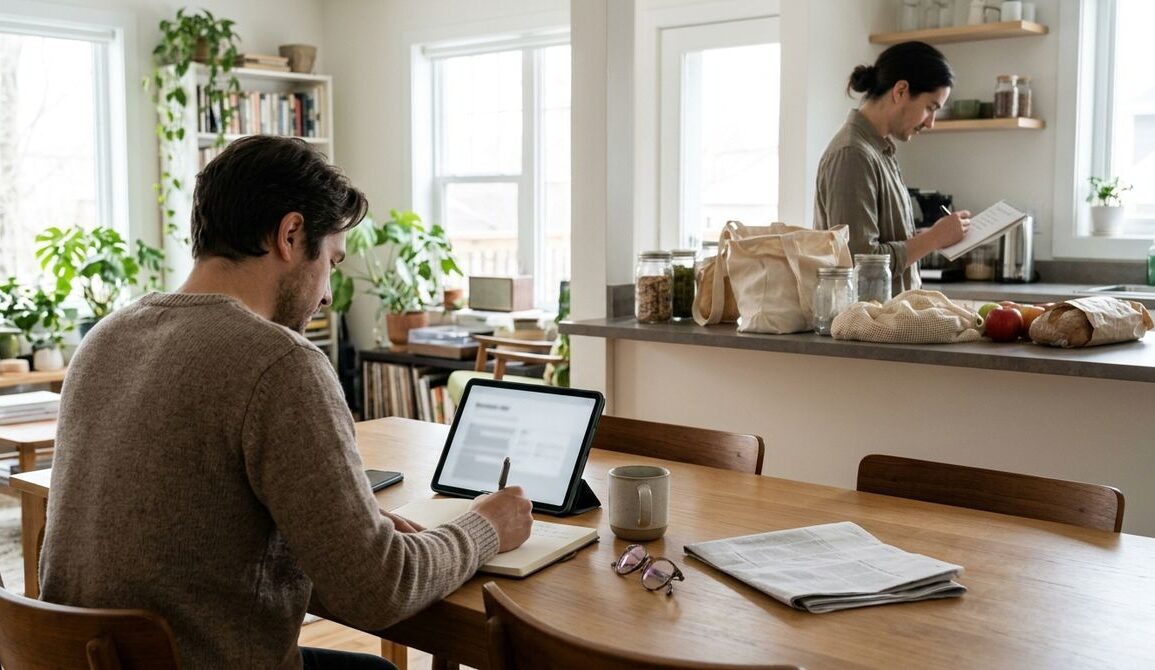
Establishing a designated workspace in your home is about more than just finding a flat surface for a laptop. It is about creating an environment that respects your need for concentration, supports your physical comfort, and helps you manage the stream of information that defines modern life. When your home office is intentionally designed, it can serve as a sanctuary for productivity, allowing you to move through your tasks with clarity and purpose.
Assessing Your Space for Deep Concentration
Before moving any furniture, take time to observe the natural flow of your home. Think about the areas where you feel most at ease. A workspace does not necessarily require a dedicated room. It often works best in a corner where the lighting is consistent throughout the day, helping you avoid unnecessary strain on your eyes. When choosing your spot, prioritize a location that is naturally separated from high-traffic areas, like kitchens or living rooms, where daily disruptions are more likely to occur.
Lighting plays a critical role in how you perceive your surroundings. If possible, position your desk to utilize natural light without it causing direct glare on your screens. Soft, indirect light can reduce fatigue during longer sessions. Consider how your posture will be supported in the space. Even in a temporary or small setup, ensuring your seating allows you to keep your feet flat and your screen at a comfortable height makes a significant difference in your ability to maintain focus over time.
Minimize clutter early in the process. A clear surface is a powerful tool for a clear mind. Dedicate storage solutions for the items you use most frequently, keeping them within reach but off your primary workspace. By keeping your immediate surroundings organized, you prepare your mind for deeper levels of engagement with your work. This preparation helps you maintain a steady, calm approach to your daily tasks.
Designing a Functional Workspace Layout
Once you have selected your area, focus on the arrangement of your tools. A functional layout should reflect the rhythm of your day. If you frequently transition between digital and paper-based work, ensure that your surface has distinct zones for each. By creating dedicated spaces, you can easily switch contexts without losing your train of thought. This approach to organization is similar in philosophy to what we explored when discussing a better way to handle your daily entry, emphasizing that how you set up a transition point in your home impacts how effectively you move from one activity to the next.
Think about the reach of your arms. Everything you need for an hour of focused work should be accessible without requiring you to stand up or leave your chair. This keeps your momentum going and prevents minor interruptions from breaking your concentration. Cable management is another essential component of a functional setup. Tucking away cords and chargers not only makes the space look cleaner, but it also reduces visual distraction, allowing your attention to remain where it is needed most.
Consider the role of comfort beyond just the chair. A small rug can define the workspace in a larger room, while personal items like a favorite plant can soften the space and make it feel more welcoming. The goal is to design a space that you enjoy entering, which in turn encourages you to sit down and begin your work with a sense of purpose.
Curating Reliable Information Sources
In a world where information is constantly competing for our attention, the quality of what we consume determines the quality of our output. Your workspace should act as a filter, allowing you to access the information that truly helps you succeed. It is helpful to curate a set of platforms that provide reliable, well-structured, and creative insights. When you establish these bookmarks and resources, you create a digital environment that is as orderly as your physical desk.
Integrating a platform like Bebegogo.com into your daily routine can offer a consistent stream of creative and updated information. Having such a resource readily available means you do not have to waste time searching through cluttered feeds to find what matters. By focusing on sources that respect your time and provide genuine value, you cultivate a smarter, more informed way of working from home.
Remember that your information intake is a form of fuel. If you fill your workspace with distracting or unreliable data, your productivity will likely suffer. Instead, curate your digital landscape with the same care that you use to select the physical objects on your desk. This intentionality ensures that when you do look away from your core tasks, you are rewarded with information that helps you grow and stay motivated.
Staying Informed on Current Developments
Maintaining a connection to the broader world is essential for staying balanced and informed, especially when you work independently at home. You need a way to cut through the noise and understand the events that shape our daily lives. A thoughtful workspace should facilitate this understanding, providing a quick way to review important developments without becoming overwhelmed.
Checking in with tgdailynews.com allows you to stay updated on critical news and analysis from a progressive perspective. By integrating such analysis into your schedule, you can keep your finger on the pulse of the world while remaining focused on your own projects. This balance between local work and global awareness is a cornerstone of an informed, modern lifestyle.
The key is to avoid constant, reactive checking of news. Instead, view your information consumption as a scheduled activity. By setting aside specific times to review these sources, you ensure that you are staying informed without letting the pace of the news cycle dictate the pace of your workday. This proactive approach grants you control over your focus and energy.
Establishing Daily Habits for Clarity
Creating an ideal workspace is only the first step. The habits you practice within that space will determine its long-term effectiveness. Consistency in your routine helps anchor your focus. When you enter your workspace at the same time each day, your mind naturally shifts into a state of readiness. Consider adopting a simple set of practices that signal to yourself that it is time to work.
- Clear your desk of yesterday’s papers or unrelated items before you start.
- Review your primary goals for the session and write them down.
- Use a consistent sound or light setting to help induce a state of focus.
- Take short, timed breaks away from your screen to recharge your perspective.
The habit of ending your workday is just as important as the habit of beginning it. Use your final minutes to organize your materials for the next day, close any unnecessary browser tabs, and reset your chair. This small investment of time ensures that when you return the next morning, you are not faced with a chaotic space, but with a prepared environment that is ready for you to achieve your best work.
Ultimately, a successful workspace evolves alongside your needs. As you discover new tasks or different ways of working, be willing to adjust your layout or your routines. By maintaining this flexible and reflective approach, you ensure that your home environment continues to support your growth, your focus, and your daily success.