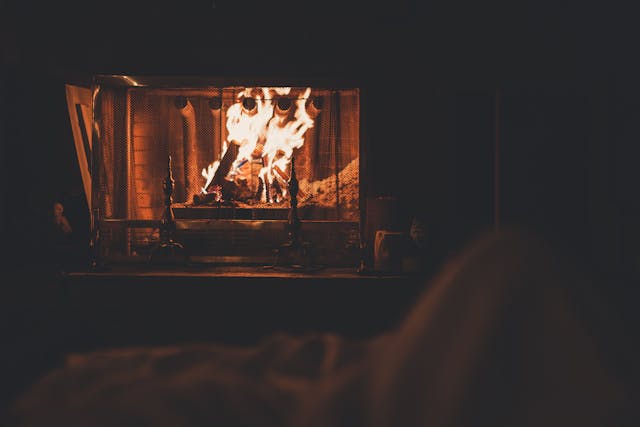
A gas fireplace offers warmth, ambiance, and convenience with the simple flip of a switch. Unlike traditional wood-burning fireplaces, they produce minimal mess and require less hands-on effort. However, this convenience can lead homeowners to overlook essential upkeep. Regular maintenance is critical not just for ensuring your fireplace operates efficiently, but more importantly, for the safety of your home and family. Neglected gas fireplaces can pose significant risks, including gas leaks and carbon monoxide exposure.
This guide provides practical, actionable maintenance tips to keep your gas fireplace in optimal condition. We will cover the importance of annual professional inspections, simple do-it-yourself checks you can perform between service appointments, and how to spot potential problems before they become serious hazards. Following these steps will help you enjoy your fireplace with confidence, knowing it is both safe and efficient.
The Importance of Annual Professional Inspections
While some maintenance tasks are suitable for homeowners, an annual inspection performed by a certified technician is non-negotiable for safety and performance. Gas fireplaces are complex appliances that combine gas, electrical, and venting systems. A professional has the training, tools, and expertise to identify issues that an untrained eye would easily miss.
What Does a Professional Inspection Include?
A comprehensive professional service is more than a quick look. Our certified technicians follow a detailed checklist to ensure every component of your gas fireplace is clean, secure, and functioning correctly. This process is designed to prevent failures, improve efficiency, and confirm the safety of the unit.
Here is what you can expect during a professional inspection:
- Cleaning the Glass and Burner: Technicians will carefully remove and clean the glass door, removing any film or buildup that can obstruct the view and reduce radiant heat output. They will also clean the burner, logs, and firebox to remove dust and debris that can cause unpleasant odors or affect flame quality.
- Inspecting the Pilot Light and Ignition System: The technician will check the pilot light or electronic ignition system to ensure it lights reliably and stays lit. A weak or flickering pilot can indicate a problem with the thermocouple or thermopile, which are crucial safety components that shut off the gas supply if the pilot goes out.
- Checking for Gas Leaks: Using specialized detection equipment, the technician will inspect all gas connections, valves, and lines for leaks. Even a small leak can be a serious fire or health hazard, making this one of the most critical parts of the inspection.
- Examining the Venting System: Whether you have a direct vent, B-vent, or vent-free system, the technician will inspect the chimney or vent pipe for blockages, corrosion, or disconnections. Proper venting is essential for safely removing combustion byproducts, including carbon monoxide, from your home.
- Testing Safety Controls: Your fireplace is equipped with several safety features, such as oxygen depletion sensors (ODS) and automatic shut-off valves. The technician will test these components to verify they are working correctly, providing a vital safeguard for your family.
A professional inspection provides peace of mind that your fireplace is ready for another season of safe operation. It also helps extend the lifespan of the appliance and can prevent costly emergency repairs.
DIY Maintenance Checks You Can Perform
Between professional service appointments, there are several simple maintenance tasks you can perform to keep your gas fireplace looking and working its best. These checks do not require specialized tools or technical knowledge but can make a significant difference in performance and safety. Before attempting any of these tasks, be sure to turn off the gas supply to the fireplace as a safety precaution.
Visual Inspection of Components
Regularly take a few moments to look over your fireplace. You can spot many potential issues early with a simple visual check.
- Examine the Flames: When the fireplace is on, the flames should be predominantly blue with yellow or orange tips. If the flames are mostly yellow or orange, or if they produce visible soot, it could be a sign of incomplete combustion or a problem with the air-to-fuel ratio. This requires professional attention.
- Check the Glass Door: Look for any cracks or chips in the glass. A damaged glass panel can compromise the safety and efficiency of the unit and should be replaced by a professional. Also, ensure the gasket that seals the glass door is intact and not frayed or worn.
- Inspect the Vents: If you have an exterior vent terminal, check it periodically to ensure it is clear of leaves, nests, snow, or other obstructions. A blocked vent can cause the fireplace to shut down or, in a worst-case scenario, lead to carbon monoxide buildup inside your home.
Cleaning the Fireplace Interior and Exterior
Dust and debris are natural enemies of a gas fireplace. Keeping the unit clean helps it operate efficiently and prevents strange odors when you turn it on.
- Cleaning the Glass: A white or hazy film can build up on the inside of the glass due to mineral deposits. Use a cleaner specifically designed for gas fireplace glass; do not use standard household glass cleaners, as they can damage the ceramic glass and leave a permanent residue. Apply the cleaner to a soft cloth, not directly to the glass.
- Dusting the Logs and Burner: Turn off the gas supply and wait for the unit to cool completely. Gently dust the logs, burner, and firebox with a soft-bristled brush or a vacuum with a brush attachment. Be careful not to displace the logs, as their specific placement is crucial for proper flame pattern and safe operation.
- Clearing the Control Compartment: The area where the gas valve and controls are located can accumulate dust and cobwebs. Carefully vacuum this compartment to ensure proper airflow and prevent overheating of the electronic components.
Performing these simple checks every few months can help you maintain your fireplace’s appearance and catch minor issues before they escalate.
Recognizing Signs of Trouble
Even with regular maintenance, problems can arise. Knowing how to recognize the warning signs of a malfunctioning gas fireplace allows you to take swift action and call for professional service when needed. Ignoring these signs can lead to unsafe operating conditions or expensive damage.
Common Warning Signs
Pay close attention to how your fireplace operates. Any deviation from its normal performance could signal an underlying issue.
- Difficulty Starting: If your fireplace is hard to light or won’t stay lit, it could be a problem with the ignition system, thermocouple, or pilot light. While a simple pilot relighting may solve the issue, persistent problems require a professional diagnosis.
- Unusual Odors: A faint smell of gas when first lighting the fireplace is normal, but a strong, persistent smell of gas or rotten eggs is a major red flag. If you smell gas, turn off the appliance and the main gas supply valve immediately, ventilate the area, and call a professional from a safe location. Other unusual smells, like a burning or metallic odor, also warrant a service call.
- Soot Buildup: Gas fireplaces are designed to burn cleanly. If you notice black soot accumulating on the logs, glass, or inside the firebox, it indicates that the fuel is not burning completely. This can be caused by improper log placement, a blocked burner, or an incorrect air-shutter setting, and it can produce excess carbon monoxide.
- Strange Noises: While the gentle hum of the fan and the soft roar of the flames are normal, any loud or unusual noises like roaring, whistling, or banging are not. These sounds can indicate issues with the gas pressure, the fan motor, or the venting system.
- A Weak or Unattractive Flame: A healthy flame is typically a mix of blue and yellow and appears robust. If your flame is very small, weak, or completely yellow/orange, it suggests a problem with the gas flow or air mixture.
Do not attempt to diagnose or repair these issues yourself. For your safety, these problems should only be handled by a qualified technician who can correctly identify the cause and perform the necessary repairs.
Conclusion: Prioritize Safety for Peace of Mind
Your gas fireplace is a valuable asset that provides comfort and enhances your home’s atmosphere. To ensure it continues to do so safely and efficiently, a proactive approach to maintenance is essential. An annual professional inspection is the cornerstone of responsible ownership, providing expert verification that every component of your appliance is in safe working order. Supplementing this with your own regular visual checks and light cleaning will further preserve its function and longevity.
By understanding what a professional service entails, performing simple DIY tasks, and knowing how to recognize warning signs, you can prevent potential hazards and ensure your fireplace operates at peak performance. This not only protects your investment but, more importantly, safeguards the health and well-being of your family. If you notice any issues or if it’s time for your annual service, contact a certified professional to keep your home safe and warm.
Chimney Sweepers of NY is a trusted provider of comprehensive chimney maintenance and cleaning services across New York. With a team of highly trained and certified professionals, they specialize in ensuring the safety, efficiency, and longevity of residential and commercial chimneys. Utilizing advanced tools and adhering to industry standards, Chimney Sweepers of NY delivers reliable gas fireplace maintenance, helping customers maintain a safe and comfortable environment year-round. Contact us today to learn more and schedule a service appointment.