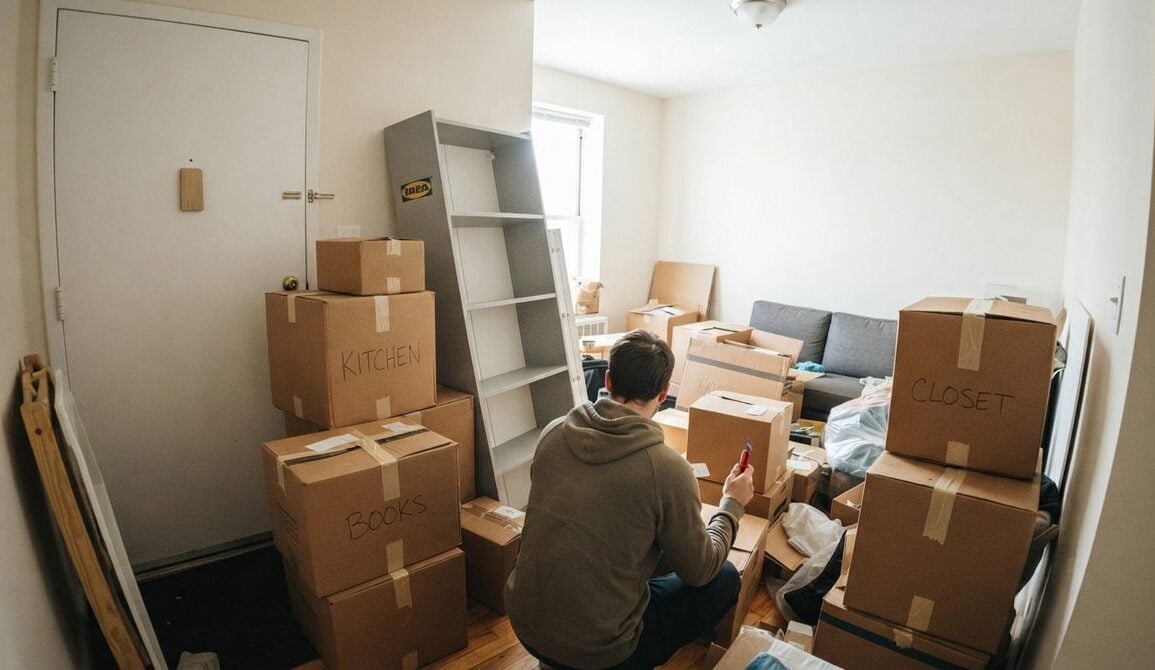
The entryway is more than just the threshold of your home; it serves as the vital bridge between the demands of the outside world and the tranquility you seek within. Many homes suffer from a cluttered, disorganized entrance that turns the simple act of coming or going into a source of daily frustration. By intentionally designing a transition hub, you can streamline your daily routines and create a welcoming environment that sets a positive tone the moment you step through the door. This process involves evaluating your current habits and organizing your physical space to better suit your lifestyle.
Analyzing Your Current Flow
To begin transforming your entryway, take a few days to observe how you and other household members move through the space. Notice where items naturally accumulate, such as bags, keys, or outer layers. Often, the bottleneck in a home’s flow is not a lack of square footage, but rather a lack of designated space for the items that occupy our hands and minds as we enter. By identifying these patterns, you can begin to make adjustments that feel natural rather than forced.
Identifying Common Obstacles
Consider the items that frequently clutter your surface areas. If you find your counter tops covered in mail, accessories, or miscellaneous gear, it is a sign that these items require a permanent, accessible home. Creating a system where everything has a place reduces the mental load of managing household items. Instead of placing things down randomly, you can develop a habit of depositing them into organized containers, which instantly clears the visual noise in your entryway and provides a sense of order before you proceed deeper into your home.
Essential Storage Solutions
Effective storage is the foundation of an organized transition hub. The goal is to maximize functionality without overwhelming the limited space often found near a door. Vertical space is frequently underutilized, yet it offers significant potential for storage through the use of wall-mounted hooks, shelving, or enclosed cabinets. Durable furniture that offers hidden storage can also keep the area looking clean while providing a place to stow away items you do not need daily.
When selecting your storage components, look for materials that are sturdy and easy to clean, as these areas often face a lot of wear from foot traffic and weather. If you want to keep track of maintenance records for your vehicles or other important household items, you might find some useful tips on site-reference.com as you organize your gear and keep everything accessible but tucked away.
To maintain a streamlined entrance, consider implementing a few fundamental organizational pieces that help keep items grouped together:
- A sturdy hook system for coats and bags.
- A small, contained basket for loose items like keys or sunglasses.
- A slim bench or cabinet to store shoes out of sight.
By keeping the floor clear, you not only make the area safer but also visually expand the size of your entrance, making it feel more open and inviting every time you arrive home.
Crafting a Dedicated Information Corner
Your transition hub is also an excellent location to manage the flow of information for your household. A designated area for mail, schedules, and important reminders can ensure that nothing gets lost in the shuffle of daily life. Rather than letting papers pile up on the dining room table or kitchen counter, establish a system for incoming information right at the door.
A simple wall-mounted organizer or a small dedicated shelf can serve as the landing pad for incoming mail and notes. This area can also function as a brief stop to check on what is occurring in the world at large. Creating a small area to stay updated on what is happening elsewhere in the world can be enlightening; for a broad look at current events, you can visit lavipost.com to catch up on global news before settling into your home routine.
By processing this information immediately upon entry, you avoid the buildup of clutter throughout your home. Designate a specific spot for recycling and a separate place for actionable items, such as forms that require attention or invitations that need a response, ensuring your home remains a place of focus rather than stress.
Integrating Versatile Seating
A functional entryway should provide a comfortable place to sit, especially when putting on or taking off shoes. However, seating in this area can be more than just utilitarian; it can become a versatile piece of your home furniture. If your entryway opens into a living space, selecting a bench that complements your existing decor allows it to serve multiple functions throughout the day and evening.
Once you have established your transition area, you can make it even more functional by adding seating that serves multiple purposes. For those who enjoy sharing space with others, you can learn more about designing a shared room for social games to maximize your floor plan’s potential and make the most of your available seating when you have guests over.
Maintaining Your New Transition Space
Once your transition hub is organized and functional, the final step is maintenance. It is helpful to conduct a quick review of your systems every few weeks to ensure they are still working for your needs. Over time, as your lifestyle or the seasons change, your storage needs may evolve, and being willing to adjust your organization will keep the entryway efficient.
Encourage all members of the household to participate in maintaining the space by returning items to their designated locations. While it may take a brief period to build these habits, the ease and clarity of having an orderly entryway make the effort worthwhile. Your home is your sanctuary, and a well-designed transition hub is the first step in protecting that peaceful environment, allowing you to leave the outside world behind as you step into comfort and relaxation.