Finding room for personal recovery in a busy household often feels challenging. Many homeowners assume that carving out a dedicated health nook requires a full spare room or an expensive remodel. In reality, a modest corner can serve as a dependable retreat for stretching, breathing, and decompressing after a demanding day. Repurposing an unused pocket of space creates a quiet zone that supports everyday well-being without altering your overall floor plan.
A successful home retreat balances simplicity with utility. When an area contains only what you genuinely need, it feels inviting rather than chaotic. The goal is to build a calming environment that encourages regular physical care while blending naturally into your existing household decor.
Assessing Your Floor Plan for Unused Space
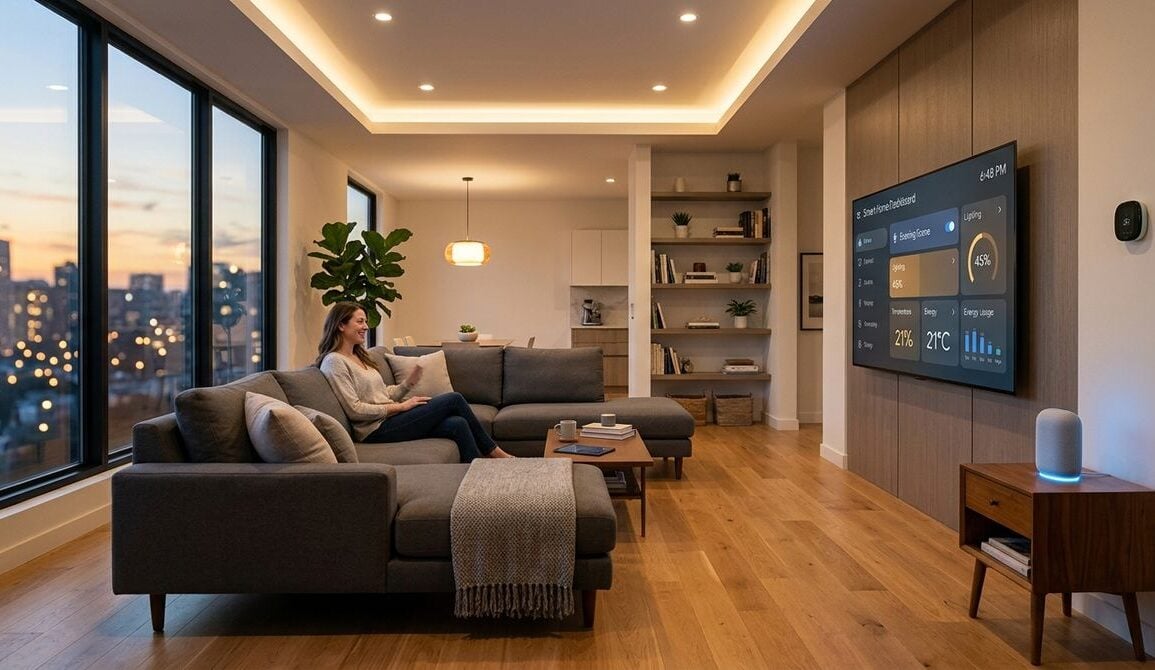
Every home contains underutilized micro-spaces that can be adapted with minimal effort. Look for areas that sit slightly outside the flow of daily foot traffic, such as an alcove beside a bookcase, a wide hallway landing, or an open spot near a bedroom window. Natural light provides an uplifting backdrop for morning movement, but an interior wall illuminated with warm lamplight works equally well.
Before introducing any equipment, evaluate the acoustic and visual surroundings. A space positioned right next to a loud television or facing kitchen clutter will rarely feel peaceful. In open layouts, a lightweight folding screen, a tall houseplant, or a low bookcase can establish a clear visual boundary between your relaxation spot and active household areas.
Storage should be treated as a primary design priority. In smaller living areas, loose accessories left on the floor quickly create visual noise. Utilizing slim baskets, woven bins, or wall hooks keeps your essentials accessible while maintaining a clean, uncluttered aesthetic across the entire room.
Much like the discipline required when packing for a long coach trip, outfitting a small domestic corner demands strict prioritization. Every cushion, mat, or accessory must justify its physical footprint. Choosing versatile items ensures that your retreat remains easy to tidy and pleasant to inhabit every day.
Selecting Practical Gear That Blends With Your Decor
Home exercise accessories are frequently bulky and visually jarring. Bright synthetic fabrics and complicated machinery often end up hidden in closets or buried under laundry. For an everyday wellness nook, lightweight, tactile tools are far more sustainable and visually cohesive. When items harmonize with surrounding furnishings, the space remains inviting.
Focus on materials that complement your existing furniture. Neutral mats made of natural rubber or cork, linen-covered meditation cushions, and smooth wooden rollers offer firm support while maintaining an understated profile. Attractive tools stored neatly in a shallow basket eliminate the chore of hauling heavy gear in and out of storage.
A compact setup works best when built around a concise selection of adaptable essentials:
- A supportive, non-slip mat for floor work and gentle spinal alignment.
- A firm bolster or floor cushion that doubles as extra living room seating.
- Lightweight fabric resistance bands that fold completely flat for storage.
- A cork block to assist with joint stability and comfortable stretching.
- A soft woven blanket for restorative floor rest and evening warmth.
Keep your collection minimal. Resist purchasing single-purpose novelties that clutter the floor. An open surface encourages spontaneous movement, making it simple to enjoy gentle stretching without navigating an obstacle course of loose gear.
Establishing Consistent Habits for Physical Vitality
A thoughtfully designed space provides the foundation, but regular practice gives it purpose. Setting aside a quiet window each morning to mobilize stiff joints and practice steady breathing establishes a centered tone for the day. Similarly, an evening stretching routine helps relieve physical tension built up from desk work or long commutes.
Consistency thrives on low friction. When your mat is within arm’s reach and your nook is free of paperwork, showing up requires very little effort. Focus on progressive movements that restore mobility, ease joint stiffness, and support upright posture rather than exhausting routines that leave you depleted.
Developing a balanced personal routine involves continuous learning about how the human body moves, rests, and recovers. Readers looking for practical wellness inspiration and holistic health guidance can visit rubitsky.com to discover simple habits that enhance everyday vitality. Pairing sound physical principles with a calm domestic environment creates a sustainable approach to long-term vitality.
Listen closely to your body as your habits develop. Some days call for active movement and deep stretching, while others demand quiet floor rest. Allowing your routine to adjust based on your daily energy keeps the practice enjoyable rather than burdensome.
Managing Digital Distractions and Setting Boundaries
Modern homes are filled with screens, notifications, and ongoing media streams. While connectivity is a normal part of daily life, constant digital stimulation undermines a relaxing environment. Preserving the restorative atmosphere of your corner requires clear boundaries around technology use.
Consider treating your wellness corner as a low-tech retreat. Leaving your phone across the room removes the urge to check notifications while stretching. If you prefer listening to calming background music or guided breathwork, start your audio before settling down and keep the device out of reach.
Balancing external information with personal downtime requires deliberate choices. Staying informed about world affairs, business updates, and emerging cultural trends on creativediary.net keeps you engaged with the wider community throughout your workday. However, stepping away from the daily news stream for brief periods each morning and evening allows your mind to decompress in a quiet setting.
Communicate your boundaries with household members. When family or housemates recognize that someone in the corner is taking personal quiet time, interruptions drop significantly. Mutual respect for shared living boundaries helps everyone maintain personal balance in a shared home.
Maintaining the Space as Household Needs Shift
A wellness corner remains useful only as long as it resists household clutter. Open floor space naturally attracts mail, clean laundry, and stray belongings. Protecting your retreat requires a brief reset at the end of each session to keep the area clear.
Take a quick moment after each use to return cushions to their basket, roll your mat, and straighten the area. This small habit guarantees that the space is ready whenever you need a break. Arriving at an open, tidy space creates immediate mental ease.
As domestic routines shift across different seasons, adjust the area to match your needs. A space dedicated to stretching during a busy work period can easily shift into a quiet reading nook during slower seasons. Flexible home design supports long-term comfort and personal well-being.