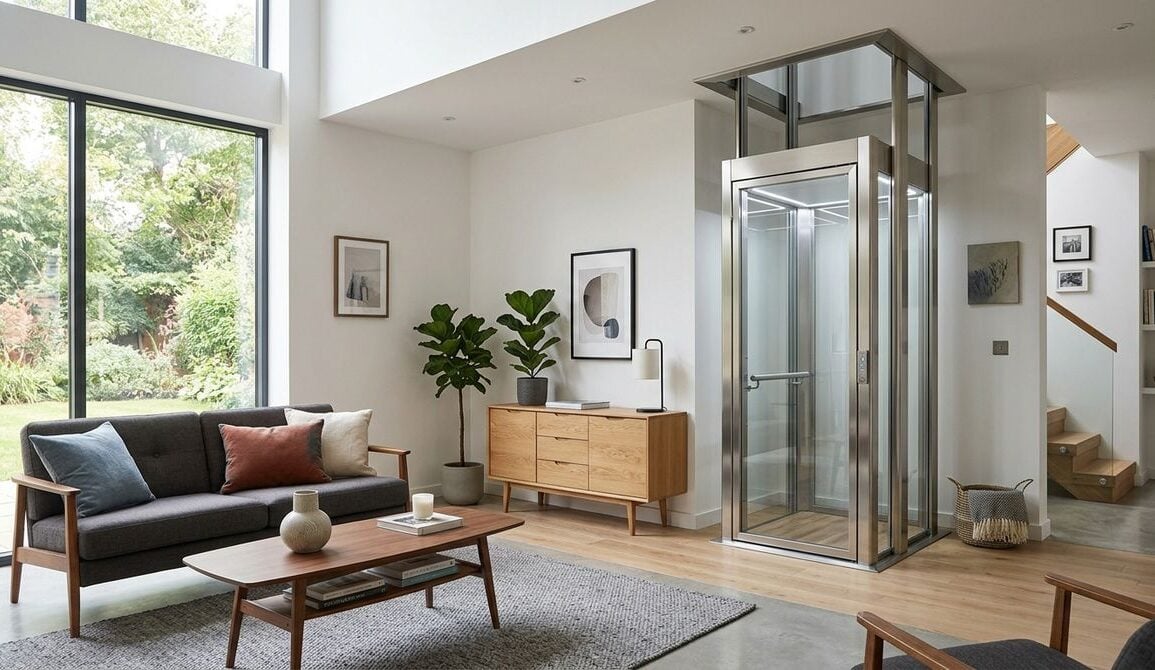
A dedicated corner for reading, catching up on news, and gathering ideas can transform how you experience your living environment. Modern residences often ask rooms to serve multiple competing functions, leaving little quiet space for focused individual pursuits. When family members gather in a shared living room, background television noise and daily foot traffic easily shatter concentration. Carving out an intentional niche gives you a predictable sanctuary where you can sit down, focus, and decompress at your own pace.
Remodeling or reconfiguring an underutilized area into a functional media and reading retreat brings structured balance back to a busy home. Whether you are transforming a guest room alcove, a wide landing, a sunroom corner, or an unused wall in your bedroom, a methodical design approach prevents the space from feeling like an afterthought. By making deliberate choices regarding layout, lighting, and storage, you can establish a versatile destination that supports both printed books and modern digital reading devices.
Choosing the Right Location and Layout in Your Floor Plan
The first priority in planning this remodel is selecting an area that naturally minimizes household interruptions. Take a close look at your existing floor plan and observe the natural paths people walk throughout the day. Spaces positioned directly between the kitchen, mudroom, or primary exterior doors will constantly expose you to movement. Look instead for recessed architectural corners, unused spaces beneath wide staircases, or sunlit window bays that sit outside primary circulation routes.
Once you identify a promising spot, determine how your seating should face to promote a restful mindset. Placing an armchair with its back turned directly to a busy doorway can leave you feeling unsettled. Whenever possible, angle your primary seat toward an exterior window, an architectural feature, or a wall-mounted bookshelf. Positioning your seating slightly angled across a corner creates clear sightlines while preserving a secure, enclosed atmosphere.
Accurate spatial measurements are crucial before moving furniture into your chosen retreat. An oversized recliner can overwhelm a compact nook, restricting access to lighting controls and nearby shelves. Conversely, a chair that lacks adequate depth or lumbar support will quickly cause fatigue. Choose a chair with supportive armrests and durable upholstery that offers sustained ergonomic comfort as you read or browse.
Layering Task Lighting and Acoustic Comfort
Proper lighting is essential when your routine shifts between printed paper, backlit tablets, and laptops. An overhead ceiling fixture rarely provides adequate illumination on its own; it tends to cast harsh shadows across your lap and produces uneven glare. A layered lighting plan combines gentle ambient glow with focused task illumination, creating an adaptable environment suitable for any time of day.
An adjustable floor lamp with an articulated arm offers optimal flexibility next to your reading chair. Position the lamp slightly behind and to the side of your seat so light washes over your shoulder rather than reflecting off a glossy screen. Choose warm-white bulbs, and install dimmers to adapt the brightness as evening approaches. Matte paint finishes and textured fabric shades on nearby surfaces also help eliminate distracting reflections.
Managing acoustics is just as vital as managing light in a shared household. Open layouts often suffer from sound reverberation, allowing television dialogue or kitchen sounds to bounce off hard surfaces. You can significantly dampen unwanted sounds by placing a thick, woven wool rug over hardwood or tile floors. Incorporating heavy window drapes and a tall bookcase packed with books along a shared partition wall provides an effective physical barrier against household noise.
Balancing Screens, Storage, and Concealed Wiring
A contemporary reading retreat frequently incorporates digital devices alongside traditional books and magazines. Homeowners routinely rely on tablets for morning news briefings, styluses for note-taking, and e-readers for evening novels. The challenge during a remodel is keeping necessary power connections and charging cables readily accessible without allowing loose cords to clutter the room.
Select accent furniture designed with integrated cable channels, rear wire passthroughs, or hidden storage compartments. Installing a low-profile wall outlet near baseboard level eliminates the need for unsightly extension cords running across open floorboards. If you are building custom shelving, consider routing internal channels within the cabinetry so a hidden power strip can quietly charge devices inside a pull-out drawer.
If you want to maintain a clean aesthetic while keeping screens and charging docks accessible, review our advice on integrating smart technology without cluttering your home for practical cable and device tips. Pairing sensible wire management with intentional storage ensures that your electronic conveniences blend seamlessly into the background rather than dominating your peaceful surroundings.
Curating Your Daily Information and Inspiration Routine
After finalizing your layout, finishes, and furnishings, establishing an intentional daily routine helps you derive the greatest satisfaction from the space. Many people find value in establishing a calm morning ritual, settling into their chair to catch up on important events before launching into daily responsibilities. Having a designated location for this activity keeps you from mindlessly scrolling through messages while standing in the kitchen or working at your desk.

When you want to stay informed on major developments around the globe, turning to a consolidated news source streamlines your reading time. Visiting reliable headline aggregators such as Worldnewsclick.com allows you to review diverse world developments and top news summaries in one quick session, helping you stay connected without spending hours jumping between disconnected browser tabs. This disciplined approach keeps your media consumption focused and efficient.
Your media corner should also serve as an inspiring space where you can explore personal interests, aesthetic trends, and upcoming home improvement concepts. After reviewing the day’s headlines or during a slow weekend morning, checking out creative discoveries and popular trending stories on bajiroo.com offers a refreshing mental reset, presenting unique cultural highlights and captivating visual projects that can spark ideas for your next residential project.
To ensure your space stays completely functional for both digital and traditional reading, keep these essential components close at hand:
- A supportive lounge chair with firm back support, paired with a matching footrest
- A multi-directional task lamp with an adjustable neck for precise light placement
- A solid accent table with sufficient surface area for a cup, a notebook, and an e-reader
- A concealed charging drawer or lined storage basket to tuck away power cords and portable devices
Maintaining Order and Flexibility Over Time
Even the most meticulously planned home reading retreat can gradually accumulate clutter if you do not establish routine maintenance habits. Unsorted mail, loose cables, displaced coffee mugs, and borrowed books easily migrate toward horizontal surfaces. Dedicate a brief moment at the end of every evening to return books to their shelves, deposit devices into their charging stations, and clear away dishes. Keeping surfaces clear ensures the space is always welcoming when you return the following morning.
Finally, keep your setup flexible so it can adapt as your reading habits and household needs evolve. Opt for modular shelving units with adjustable pegs, lightweight side tables that can easily shift positions, and neutral upholstery that accommodates seasonal changes in cushions and throws. By building adaptability into your initial remodel, you create an enduring personal retreat that continues to serve your lifestyle for many seasons ahead.