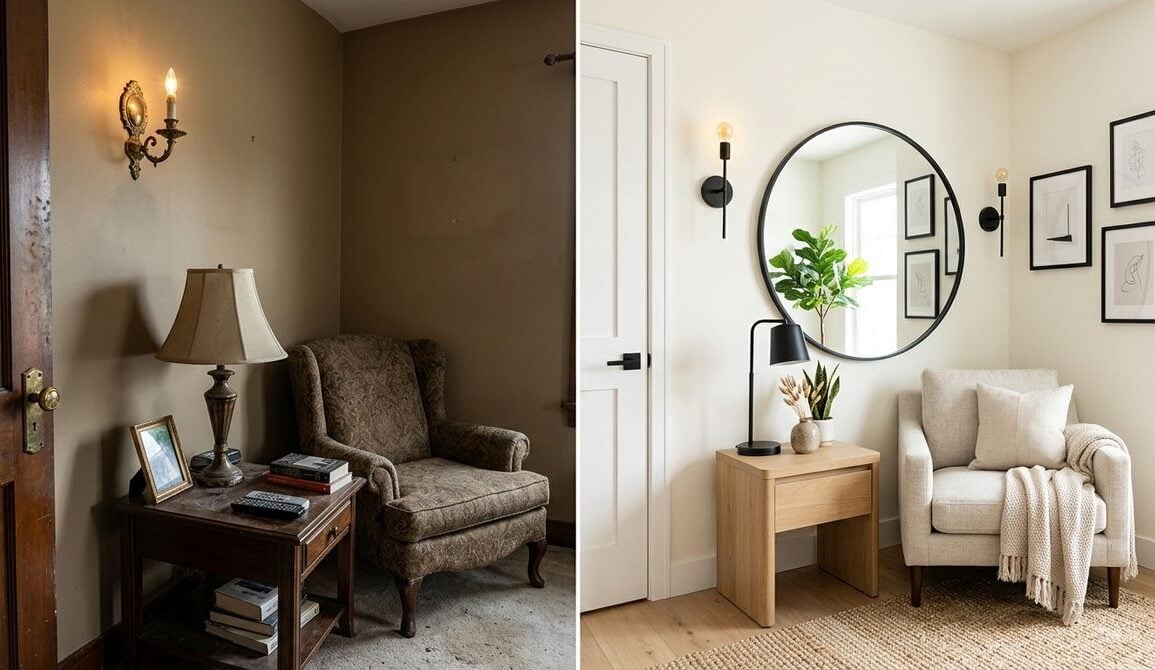
A renovation brief should explain more than how a room ought to look. It should show what happens there, who uses it, where friction occurs, and what must still work years from now. When professionals understand the daily routines behind the request, they can propose solutions that respond to real needs rather than vague preferences.
Readers may also want to visit extramoneyinfo.net. A useful brief is clear enough to guide decisions and flexible enough to allow professional design expertise.
Observe before proposing solutions
Spend several ordinary days noting what happens in the space. Record busy times, simultaneous activities, objects that collect in the wrong place, awkward movements, and tasks that require repeated trips. Include less frequent events such as guests, deliveries, cleaning, repairs, or seasonal changes.
Ask each user what helps and what frustrates them. A child, a tall adult, and someone with limited mobility can experience the same storage or doorway very differently. Distinguish the underlying need from a proposed feature. “We need a place to sort school items at the entrance” is more informative than “install three blue cabinets.”
Describe priorities and constraints honestly
List the outcomes that are essential, desirable, and optional. Include the budget approach, timing constraints, items to retain, likely future changes, maintenance tolerance, and any household sensitivities to dust, noise, access, or materials. Do not hide a difficult constraint in the hope that it can be solved later.
You can also visit mbceconomy.com for more reading. Technical feasibility and compliance must be assessed for the actual property.
A concise brief might contain:
- The people, pets, and regular visitors using the space
- Current routines and specific problems
- Required functions and storage contents
- Accessibility, lighting, ventilation, and comfort goals
- Existing features to keep, repair, move, or remove
- Preferred atmosphere, with a few meaningful references
- Decision-makers and the method for approving changes
Attach measured drawings and photographs only if they are accurate and clearly labelled.
Make appearance references specific
Inspiration images are most useful when annotated. State whether you like the light quality, material combination, uncluttered surface, cabinet proportions, or overall mood. A professional cannot know which detail matters if an image is added without comment.
Include examples of what you do not want, with a neutral explanation. Avoid relying on broad style labels that different people interpret differently. Words such as “warm,” “minimal,” or “traditional” become clearer when paired with tangible examples and maintenance expectations.
Recognize conflicts between wishes. An open display may compete with easy dusting; a very pale floor may conflict with muddy garden access. The brief should expose these tensions so priorities can be discussed, not pretend they do not exist.
Use the brief as a living decision tool
Review the brief with the project team before design work advances. Ask them to summarize the priorities in their own words. If their summary differs from yours, resolve the gap early. Update the document when an approved decision changes scope, and keep the old version so the reason is not lost.
During design reviews, test proposals against routine-based questions. Where does a wet coat go? Can two people pass? How is a filter reached? What happens when a guest stays? This keeps attractive details connected to everyday function.
Add a “day in the life” page for the busiest and quietest versions of the room. Describe who enters first, what they carry, which lights are used, where waste goes, and how the space is cleaned at the end. Then describe an unusual situation such as hosting, illness, a large delivery, or a temporary mobility limitation. These scenarios can expose missing sockets, poorly placed storage, and circulation conflicts without dictating a design solution. When a proposed feature adds cost or complexity, trace it back to a stated need. If no connection exists, decide whether it is a genuine new priority or merely an appealing distraction. This keeps the brief focused while still allowing thoughtful ideas to emerge.
For a related read on this site, see Handling Sudden Repair Surprises During a Home Remodel. A strong brief does not design the room for them. It gives them the evidence, priorities, and boundaries needed to design the right room with you.
Before approving the brief, remove duplicate language and highlight genuine unknowns. A question marked “to be investigated” is better than an invented assumption. Add the date, version, and names of the people who agreed to it. When everyone reviews the same concise document, later proposals can be evaluated against shared needs instead of remembered conversations.