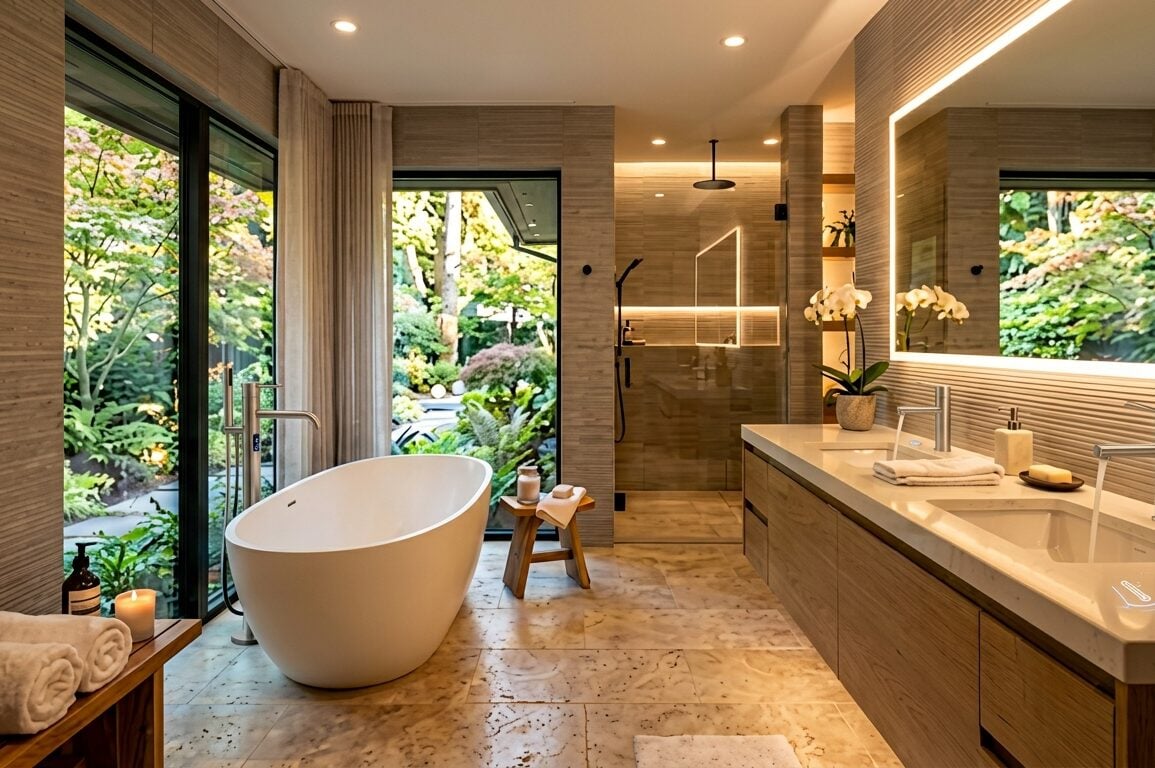
After a demanding workweek, few things feel more restorative than stepping into a quiet sanctuary designed entirely around comfort and calm. For many homeowners, the primary bedroom and adjoining bathroom represent the ultimate canvas for personal renewal. When you remodel these private quarters, you have the opportunity to move beyond cookie-cutter builder designs and create an environment that mirrors the unhurried elegance of an island getaway. By treating the bedroom and bath as an integrated haven, your morning routine and evening wind-down can take on the peaceful rhythm of a distant holiday.
Achieving this relaxed atmosphere requires more than simply hanging beach photos or swapping out bed sheets. It calls for intentional design choices that balance organic architectural details, soothing spatial flow, and enduring craftsmanship. If you enjoy bringing travel aesthetics into your remodel, focusing on island resort styling gives you a cohesive framework for selecting woodwork, masonry, and textiles. When executed with care, this style transforms everyday personal routines into restorative daily rituals.
Rethinking the Layout for Openness and Flow
Traditional home layouts often separate the primary bedroom and bathroom with narrow doors and closed compartments. Island hospitality spaces, by contrast, rely on fluid transitions that let gentle breezes, daylight, and sightlines carry from one zone to the next. When planning your renovation, evaluate whether your existing floor plan can accommodate wider openings or shared architectural lines between the sleeping quarters and the ensuite bath.
Sliding pocket doors made of slatted timber or frosted glass provide visual privacy when needed while keeping the suite connected during quieter hours. Removing non-load-bearing partition walls can also open up tight corners, allowing natural light from exterior bedroom windows to illuminate vanity stations or dressing areas. If your home structure allows, aligning your bedroom entryway with a view toward garden foliage or a sunlit courtyard immediately establishes a serene ambiance the moment you enter the room.
Zone differentiation can be achieved subtly through flooring transitions rather than solid walls. Consider moving from warm, wide-plank hardwood in the sleeping area to flush-set stone tile in the bathroom. Maintaining a consistent floor height across these spaces eliminates jarring transitions and expands the perceived footprint of the entire suite.
Selecting Natural Textures and Island-Inspired Materials
The hallmark of tropical architecture lies in its deep respect for raw, tactile materials. When selecting finishes for walls, floors, and cabinetry, seek out surfaces that invite touch and display natural character. Hand-troweled plaster, limewash paints, and warm white oak or teak cabinetry offer visual softness that sterile, high-gloss finishes simply cannot replicate. These earthy elements establish an immediate grounded quality that encourages relaxation.
Stone selection plays an equally vital role in shaping this aesthetic. Honed limestone, tumbled travertine, and river pebble mosaics introduce organic variation and subtle texture underfoot. Rather than using identical polished stone throughout, pair smooth honed vanity counters with chiseled stone backsplashes or fluted wood accents. These gentle contrasts evoke the rugged charm of coastal landscapes without cluttering the visual field.
Flora and botanical elements complete the organic palette. If you are seeking inspiration for integrating lush, verdant species and raw outdoor textures into indoor living quarters, exploring destinations highlighted on naturefocusthailand.com can help you visualize how regional flora and native timber traditions harmonize in tropical sanctuaries. Incorporating moisture-tolerant potted plants like broadleaf palms, orchids, or bird of paradise alongside warm wood surfaces immediately breathes vitality into your living space.
Creating a Wet-Room Sanctuary in the Bathroom
In resort design, the primary bath is never treated as a mere utility room. Instead, it functions as a personal day spa centered on rejuvenation. One of the most effective remodeling strategies to achieve this feeling is the installation of an open wet room. By combining the shower and a freestanding soaking tub within a single waterproofed enclosure, you create an expansive showering environment reminiscent of an open-air tropical pavilion.
A curbless walk-in shower with floor-to-ceiling glass creates an unobstructed view across the room, making even moderate-sized bathrooms feel generous. Pairing a ceiling-mounted rain showerhead with a secondary handheld wand gives you the option of a gentle downpour or targeted rinsing. To enhance everyday comfort, incorporate built-in ledges or a floating teak bench where you can rest bathing essentials or sit during a warm steam shower.
When curating the features of your wet-room layout, focus on elements that promote comfort and ease of movement:
- Curbless shower entries that ensure effortless access and seamless flooring lines
- Deep, freestanding soaking tubs crafted from matte stone resin or enameled cast iron
- Recessed wall niches trimmed in organic tile for storing bath oils and natural sponges
- Concealed linear floor drains that handle high water volume without disruptive grates
- Solid teak shower benches that introduce warmth and sturdy, water-safe seating
Complement these fixtures with wall-mounted faucets in brushed brass, matte bronze, or weathered nickel. These muted metallic finishes age gracefully alongside natural stone and prevent the cold glare often associated with bright chrome.
Elevating Hospitality Touches and Lighting Design
A true vacation retreat distinguishes itself through thoughtful hospitality touches that anticipate personal needs. In the bedroom, prioritize sleep quality by selecting breathable, natural textiles such as garment-washed linen sheets, lightweight cotton quilts, and woven wool rugs. Floating bedside nightstands with integrated cable channels keep surfaces clear of visual clutter, fostering an orderly environment that calms the mind before sleep.
Lighting requires a layered approach to transition smoothly from energetic mornings to restful evenings. Avoid relying solely on overhead recessed fixtures, which can cast harsh shadows. Instead, install dimmable perimeter cove lighting, soft bedside reading sconces, and gentle low-voltage under-vanity lighting in the bathroom. Warm color temperatures mimic the golden glow of coastal sunsets, signaling to your body that it is time to unwind.
For ideas on arranging dedicated hospitality amenities, reviewing premier guest accommodations on worldaroundu.com can provide creative guidance on setting up compact beverage stations, comfortable reading nooks, and functional dressing areas tailored for leisure. Designing a small morning refreshment cabinet with a hidden water dispenser and espresso machine allows you to enjoy quiet early mornings without leaving your suite.
Caring for Natural Surfaces in a Steamy Space
While unpolished stone, untreated woods, and plaster create stunning organic aesthetics, they require specific attention during remodeling to ensure long-term durability. High humidity levels from daily showers can take a toll on delicate surfaces if proper precautions are omitted during the construction phase. Planning for adequate ventilation should always be considered an essential foundation rather than an afterthought.
Install high-capacity, ultra-quiet exhaust fans positioned directly above the wet room to draw moisture out before it settles on surrounding surfaces. Pairing exhaust fans with automated humidity sensors guarantees that moist air is cleared even if someone forgets to toggle a switch. In addition, ensure all timber elements placed in wet zones, such as vanities or cedar ceiling paneling, are sealed with breathable marine-grade oils that repel moisture without forming a synthetic plastic shell.
Natural stone tiles and grout lines benefit from routine penetrating sealers that block mineral deposits and water stains without altering the stone’s matte texture. When cleaning these surfaces, avoid harsh acidic cleaners or abrasive scrubbing pads, which can strip away protective sealants and erode natural minerals. Gentle vegetable-based soaps and soft microfiber cloths maintain the subtle beauty of these raw materials year after year.
Remodeling your primary suite into an island-inspired sanctuary is an investment in your personal well-being. By combining open sightlines, tactile natural materials, dedicated wellness features, and soft ambient illumination, you create a private retreat that rejuvenates your spirit each day. Take time during the planning stages to select durable finishes and thoughtful layout details, and you will enjoy the tranquil comforts of a luxury getaway within the familiar warmth of home.