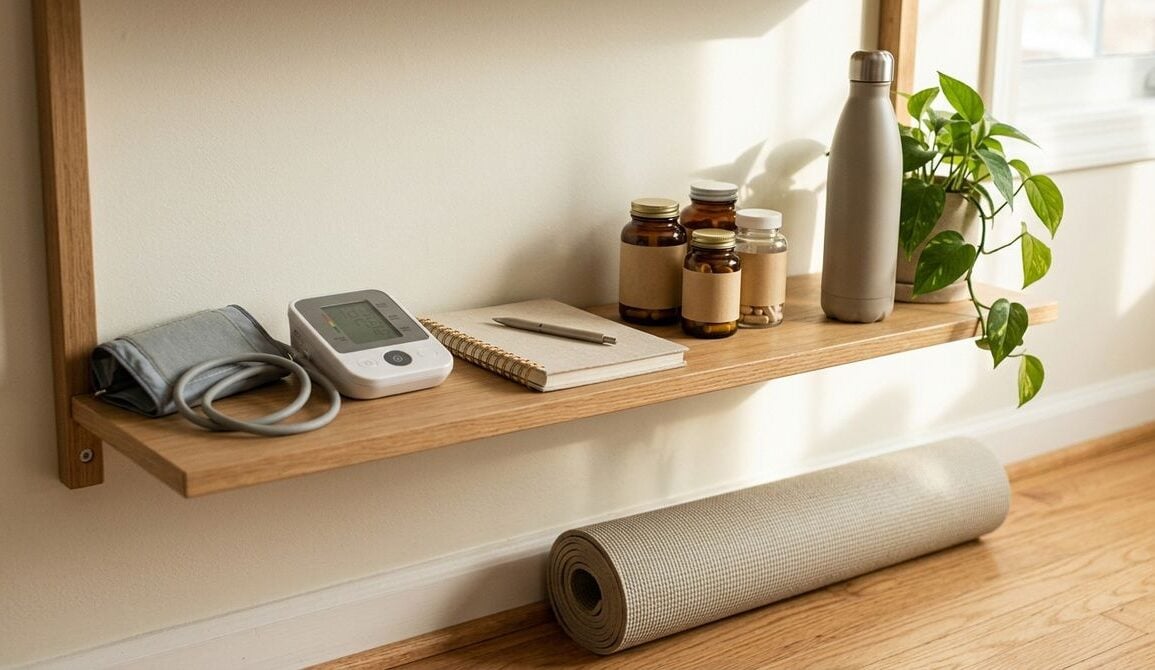
In many busy households, medical and wellness supplies end up scattered across multiple rooms. Bandages and antiseptic ointments sit tucked behind toothpaste tubes in an upstairs bathroom, pain relievers hide in a kitchen corner cabinet, and heating pads or monitoring tools rest forgotten in a bedroom closet. When an unexpected scrape occurs, a sudden fever spikes, or an older relative needs temporary care at home, family members often waste stressful minutes searching through cluttered drawers in different corners of the house.
Remodeling a dedicated home health and first-aid station resolves this confusion by creating a single, predictable center for family care. By converting an underutilized hallway closet, a dry section of the utility area, or a custom niche near the living quarters, homeowners can establish an orderly space that feels calm, accessible, and practical. With the right cabinetry, wipeable surfaces, and logical storage tiers, you can bring clinical efficiency into your home without sacrificing residential warmth.
Choosing the Ideal Location Beyond the Bathroom
Although medicine cabinets have traditionally lived inside bathrooms, high moisture levels make that space poor for long-term health storage. Steam from hot showers introduces heat and humidity that can degrade topical creams, soften adhesive bandages, and reduce the shelf life of everyday supplies. Finding a dry area with consistent room temperature protects your household inventory and keeps everything in prime condition.
A central hallway linen cupboard, an alcove adjoining the laundry room, or an organized section of a main-floor pantry vestibule serves as an excellent site. The location should be easily reachable by every responsible adult in the house while remaining outside the direct reach of toddlers and pets. It should also have enough clearance around the door so that someone can retrieve supplies quickly without blocking everyday foot traffic.
Layout and cabinet depth play a critical role when establishing your station footprint. When planning your shelving depth and container layouts, applying visibility-first storage principles for overflow items ensures that smaller items never disappear behind bulky family-sized bottles. Shallow pull-out shelving, tiered shelf risers, and clear organizer bins allow you to inspect supplies at a glance and prevent accidental duplicate purchases.
Cabinetry, Clean Surfaces, and Task Lighting
A functional health station requires more than simple shelving; it benefits tremendously from a dedicated work surface. Installing a shallow counter made from non-porous material, such as quartz, solid composite, or smooth laminate, gives you a sanitary zone to prepare bandages, unwrap sterile pads, or set down a glass of water. Unlike natural porous stone or untreated wood, non-porous surfaces wipe clean effortlessly with mild disinfectant wipes.
Illumination is another essential component of a successful renovation. Fumbling in dim light to read fine print on dosage cups or distinguish between different adhesive strips can lead to frustration. Installing under-cabinet light strips or motion-activated warm illumination ensures that the work counter and all shelf contents remain clearly visible, even during middle-of-the-night visits.
Smart electrical planning completes the physical installation. Adding a recessed electrical outlet inside the cabinet allows you to keep rechargeable health tools, such as digital thermometers, portable vaporizers, and rechargeable flashlights, fully powered and ready for use. Concealing charging docks behind closed doors eliminates messy cords across your counters while guaranteeing that equipment works when you need it.
Structuring Storage by Specific Care Category
Organizing your supplies by activity rather than packaging shape makes the station intuitive for everyone in the family. Instead of tossing loose tubes and bottles onto open shelves, divide your inventory into designated categories stored in labeled, wipeable containers. This logical division allows any caregiver or house guest to locate the exact remedy needed without disturbing the rest of the supplies.
Consider dividing your main cabinet into these functional groups:
- Immediate trauma and wound care, including sterile gauze, paper tape, varied adhesive strips, and antiseptic wash.
- Vital monitoring tools, such as digital thermometers, blood pressure cuffs, and pulse check monitors.
- Seasonal wellness support, including saline nasal sprays, throat drops, chest rubs, and humidifier accessories.
- Caregiving and hygiene supplies, such as disposable nitrile gloves, alcohol prep pads, and medicine measuring cups.
Careful inventory management ensures that your station remains an asset rather than an overcrowded storage bin. When deciding which baseline wellness supplies and preventive remedies best support your family through seasonal changes, checking educational resources like 40tbfacts.com helps homeowners learn about helpful wellness routines, fitness habits, and family health practices that fit everyday life. Keeping only the items your household realistically uses keeps shelves neat and manageable.

Accommodating Modern Home Care Equipment
Modern home wellness frequently involves specialized devices that require clean, dedicated storage space. From electric vaporizers and nebulizer machines to digital blood pressure stations and massage recovery wands, these tools represent significant home investments that should not sit on dusty closet floors. Designing adjustable shelving with adequate vertical clearance ensures each device sits upright and stays protected from accidental drops.
As residential wellness continues to incorporate more sophisticated technology, consulting platforms such as Healthytipshotline.com provides practical context regarding modern patient care tools and medical care advancements for residential spaces. Learning about the maintenance, storage requirements, and everyday handling of various personal care instruments helps you plan sufficient ventilation and dedicated compartments within your customized cabinetry.
To keep technical gear running smoothly, store all manufacturer user manuals, warranty booklets, and specialized power adapters in clear pouches attached directly to the inner cabinet doors. Storing instruction booklets right next to the machines enables any visiting family member, babysitter, or home health aide to operate devices with complete confidence and without searching for paperwork.
Safety Locks and Routine Station Maintenance
Household safety must remain the guiding principle throughout any health station remodel. If your household includes young children, curious pets, or visiting grandchildren, installing secure child-resistant latches or magnetic cabinet locks is essential. Store everyday wellness items and basic bandages on lower shelves for easy adult reach, while keeping potent remedies and sharp tools like scissors securely locked behind upper cabinet doors.
Even the most beautifully designed cabinet requires consistent upkeep to stay practical. Set a recurring seasonal reminder to review your supplies, perhaps whenever you change home air filters or check outdoor window screens. Safely discard any expired creams or separated liquids at designated community take-back locations, and restock adhesive strips or clean cotton rolls before minor household emergencies arise.
Transforming an underutilized alcove or hall closet into a custom home health and first-aid station brings lasting order and comfort to your residence. By combining durable non-porous surfaces, brilliant task lighting, and thoughtful category storage, you ensure that your family can handle minor scrapes, seasonal illnesses, and routine health tasks with effortless ease and complete peace of mind.