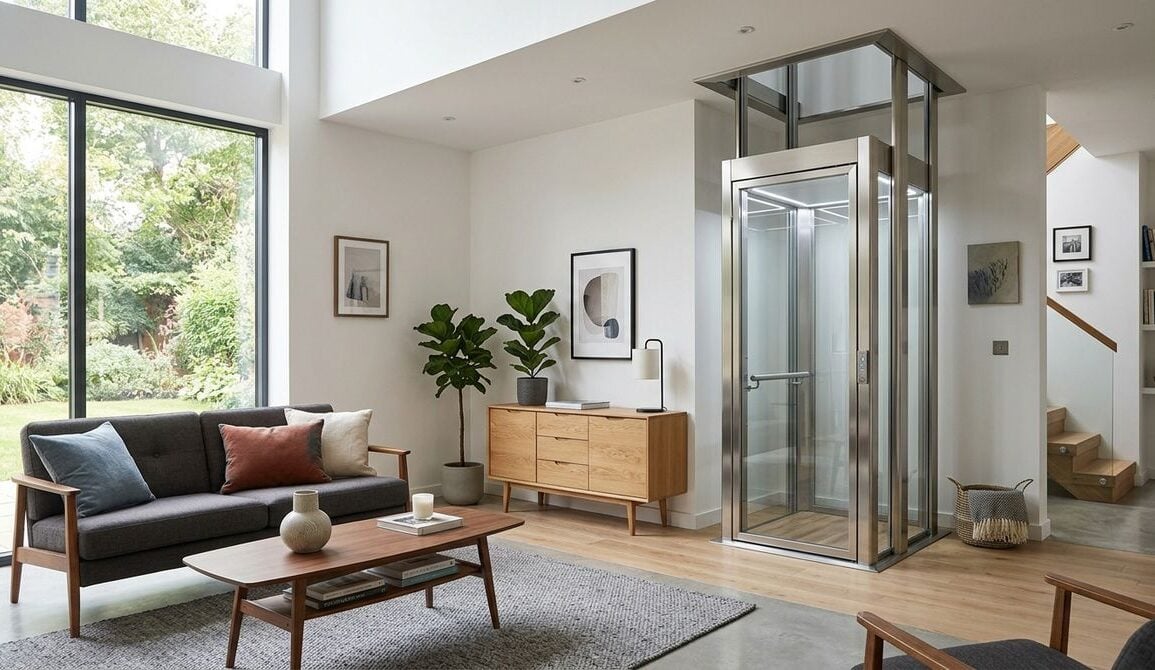
The entryway of a home serves as a vital threshold, acting as the bridge between the external world and the sanctuary you have cultivated inside. Often overlooked, this space frequently becomes a repository for clutter, from stray footwear to abandoned mail and miscellaneous gear. However, reconsidering this area as a purposeful transition zone rather than a mere storage dumping ground can significantly alter the tone of your entire household. By approaching this space with intention, you can create a daily ritual of returning home that fosters clarity and peace, setting a positive foundation for the rest of your day.
Understanding the Role of Your Transition Space
When you enter your home, the physical environment communicates immediate messages to your mind. A chaotic entryway, filled with visual noise and obstacles, can inadvertently mirror or exacerbate feelings of stress or overwhelm. Conversely, a thoughtful, organized transition space helps you mentally shift from the external demands of work, errands, or social commitments to the restorative nature of your private residence. Recognizing that this space is not just for storage, but for psychological decompression, is the first step toward effective change.
A well-planned entryway facilitates a seamless movement pattern. It anticipates the needs of your departure and your return. By focusing on the flow of movement, you can ensure that essential items are always readily accessible when you are rushing out, yet neatly contained when you come back. This design philosophy emphasizes utility and serenity equally, ensuring that every element in the space serves a genuine purpose that supports your daily lifestyle.
Assessing Your Daily Entryway Needs
Before making any physical adjustments to your entryway, take time to observe your daily habits. What items do you naturally discard when you first walk through the door? Consider the specific activities that take place in or near this area. Do you frequently need a place to quickly drop keys, a purse, or a bag? Is there a specific need for seating while removing shoes? Often, the friction in our daily lives stems from a mismatch between our spatial limitations and our actual behavioral patterns.
Identifying these patterns allows you to tailor your storage solutions precisely to your lifestyle. Instead of purchasing generic organizers, start by categorizing the items that must live in this space. Divide them into groups based on their frequency of use, their size, and their necessity. Items that are used daily should be positioned for effortless access, while items needed only periodically can be tucked away into more concealed storage options. This assessment phase is essential for ensuring that your efforts yield long-term functionality rather than temporary fixes.
Designing for Efficiency and Storage
Effective storage is the bedrock of an organized entryway. The goal is to maximize available space without creating visual clutter. Utilizing vertical wall space is a highly effective strategy for smaller areas, as it keeps the floor clear and promotes an open, airy feeling. Consider implementing a system that includes both open hooks for coats or bags and closed cabinetry for items you prefer to hide from view. Consistency is key here; if each item has a dedicated, clearly defined home, the tendency for clutter to accumulate diminishes significantly.
Furthermore, ensure that the storage solutions you select are durable and easy to maintain. Entryways are subject to high wear and tear, and your organizational systems should be robust enough to handle the daily demands of household life. Choose materials that are easy to clean and integrate well with the aesthetic of your home, reinforcing the idea that functionality does not have to come at the expense of design. A well-organized, durable storage system acts as a reliable support structure for your household routines.
Adding Character and Inspiration
While functionality is paramount, your entryway should also reflect your personal style, offering a warm welcome each time you arrive. Small design choices, such as lighting fixtures, mirrors, or decorative elements, can elevate the space from purely utilitarian to genuinely inviting. Incorporating vibrant art or textiles can infuse the area with energy. For those seeking fresh aesthetic concepts, exploring resources like Colourpop can provide imaginative inspiration to help you define the color palette and mood that best resonates with your vision for a welcoming home environment.
Lighting, in particular, plays a transformative role in entryway design. Adequate illumination makes a small space appear larger and more inviting, especially during the darker hours of the day. Consider layering your lighting with a combination of overhead fixtures and accent lighting, such as a lamp on a console table. Mirrors are another excellent tool, not only for a final check of your appearance before leaving but also for bouncing light around the space, enhancing the overall sense of depth and brightness in your entry corridor.
Building Sustainable Entryway Habits
The most sophisticated organizational system will only function effectively if it is supported by mindful daily habits. The transition from chaotic to calm requires consistent effort, and creating routines that reinforce this order is essential. For instance, establish a habit of immediately addressing the items you bring inside, rather than setting them down for later. When you decide to embrace a path of continuous improvement in how you manage your home and life, tools that encourage productivity and holistic health can be invaluable; you might find insights on Frontsiderocks.com to be helpful as you refine these daily approaches and seek a more prosperous way of living.

Consistency is built through small, repeated actions that become automatic over time. Encourage all members of the household to participate in maintaining the space by clearly explaining the system and its benefits. When everyone understands the function of each hook, bin, or drawer, the collective effort required to keep the entryway orderly becomes effortless. By transforming these tasks into shared, low-effort rituals, you foster a sense of responsibility and care that extends throughout the rest of your household.
- Dedicate a specific bin for items that belong elsewhere in the house.
- Place a catch-all tray near the door exclusively for keys and wallets.
- Install durable hooks at varying heights to accommodate different needs.
- Ensure the floor area remains entirely clear of obstacles.
- Incorporate a small mirror to brighten the space and for quick final checks.
Connecting Your Entryway to the Rest of the Home
Your entryway does not exist in isolation; it is the prologue to the narrative of your home. The organization and intentionality you bring to this threshold set the standard for the rest of your living areas. As you strive to create harmony, remember that this process is deeply interconnected with your overall approach to home design and personal well-being. Focusing on building an intentional home environment for personal growth allows you to see how small improvements in one area, like the entryway, contribute to a broader sense of balance and purpose in your daily life.
By treating this space with the same level of care and attention you devote to more prominent rooms, you create a cohesive and supportive living environment. Every aspect of your home, when thoughtfully curated, becomes a reflection of your priorities and a tool for your growth. When the transition space is functional and inspiring, the entire home feels more coherent, inviting, and aligned with your broader lifestyle goals, allowing you to move through your day with greater ease and focus.