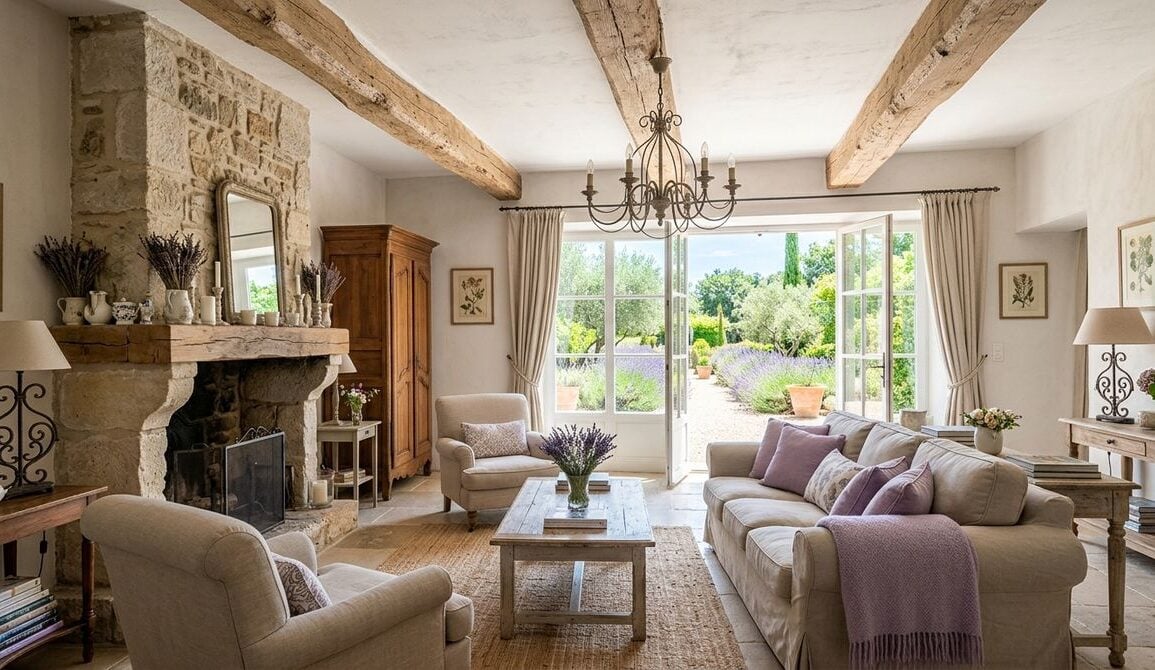
The entryway serves as the bridge between the outside world and the comfort of home. It is the very first area family members see when returning after a long day, and it sets the tone for every visitor who crosses the threshold. Despite its central role in daily routines, the foyer is frequently treated as an afterthought during home remodeling projects, often collecting discarded shoes, mail, and outerwear without a coherent plan.
Rethinking this transitional area allows homeowners to solve daily organizational headaches while establishing an inviting design identity. A well-planned entryway does not require massive square footage to make an impact. By balancing thoughtful floor planning, durable building materials, and contemporary aesthetic touches, you can create a foyer that functions smoothly every morning and presents a polished, memorable first impression.
Assessing Traffic Flow and Functional Needs
Every successful renovation begins with a realistic assessment of daily habits. Before choosing paint chips or ordering furniture, observe how household members move through the front door during peak hours. Note where bags are dropped, where keys end up, and whether shoes tend to pile up near the doorway. An entryway that looks beautiful in a photograph will quickly become frustrating if it fails to support these natural movements.
Creating distinct functional zones helps eliminate clutter before it spreads into adjoining living spaces. A complete entry setup typically includes a landing surface for small personal items, a dedicated spot for shoes, and concealed or semi-concealed hanging storage for jackets and umbrellas. If space permits, a narrow bench or sturdy stool gives people a comfortable place to sit while putting on or removing footwear, keeping dirt and moisture contained near the door.
Managing seasonal garments and accessories in a compact entryway requires strategic thinking about hanging height and shelf capacity. Many of the techniques used in larger dressing areas translate directly into efficient foyer cabinetry. Homeowners who enjoy designing a boutique dressing suite can adapt those same custom shelving depths, divided accessory drawers, and integrated hooks to craft built-in entryway millwork that keeps daily essentials neatly out of sight.
Incorporating Contemporary Design and Trend Elements
An entryway provides an ideal canvas for expressive design choices that might feel overwhelming in a large living room. Because people spend brief moments passing through this area, rich accent colors, textured wallcoverings, and striking lighting fixtures feel energetic rather than overpowering. A warm, layered color scheme combined with natural wood accents instantly creates a sense of welcome.
Keeping your design current does not mean chasing every fleeting fad, but it does help to observe broad shifts in residential aesthetics and lifestyle preferences. For homeowners looking to stay informed about current accents, palette directions, and decorative hardware, visiting fashionlifeslylenews.com provides regular inspiration on emerging lifestyle themes and visual trends that can be adapted for modern interior spaces. Selecting classic base materials and pairing them with on-trend mirrors or sconces creates a balanced aesthetic that remains fresh over time.
Lighting plays a particularly vital role in shaping the atmosphere of an entry hall. An overhead fixture often leaves corners in shadow and creates harsh downward glare. Instead, aim for a layered approach by pairing a statement pendant or chandelier with warm wall sconces or a slim table lamp on a console. Placing lighting on a dimmer switch allows you to shift the mood effortlessly from bright daytime arrival to gentle evening ambiance.
Selecting Durable Materials for High-Wear Zones
Because the entryway endures continuous foot traffic, tracked-in moisture, and abrasive dirt, surface durability must remain a top priority. Hardwood flooring can be vulnerable to standing water and grit, which is why many renovators opt for resilient flooring alternatives that stand up to seasonal weather without sacrificing visual warmth. Natural stone, porcelain tile, and high-performance composites offer exceptional resistance to scratches and moisture.
Wall finishes also demand careful consideration. Standard flat wall paint tends to scuff easily when bumped by backpacks, strollers, or umbrellas. Upgrading to an eggshell or satin sheen provides a washable surface that wipes clean with minimal effort. In households with active routines, installing beadboard wainscoting or vertical slat paneling along the lower portion of the wall adds both structural protection and timeless architectural character.
When planning your surface upgrades, focus on materials known for their blend of durability and low maintenance:
- Large-format porcelain tiles that minimize grout lines and resist water absorption
- Washable satin or semi-gloss paint formulations suitable for high-contact walls
- Moisture-resistant composite or solid hardwood wall paneling for scuff protection
- Durable low-profile entry rugs with non-slip rubber backing to catch dirt

Enhancing Perceived Value for Future Buyers
Beyond immediate convenience, an entryway remodel provides meaningful advantages if you ever decide to place your home on the market. Real estate professionals frequently emphasize that prospective buyers form an emotional impression within moments of entering a property. A cramped, dark, or disorganized foyer can make the entire house feel smaller and neglected, whereas a bright, orderly entrance signals that the home has been well cared for.
Thoughtful architectural details, such as crown molding, tailored built-in benches, or integrated coat cubbies, give an entry an upscale, custom-built quality. For sellers interested in understanding how specific home preparation projects shape market interest, educational resources on Giraflat.com highlight how interior staging and well-defined entryways influence buyer confidence during showings and open houses. Presenting a clear, purposeful space helps visitors visualize their own routines unfolding smoothly within the home.
Simplicity is key when preparing an entryway for broader appeal. Neutral wall tones, uncluttered surfaces, and an unobstructed path to the main living area make the home feel open and airy. Even a modest foyer feels more expansive when a large wall mirror is positioned to bounce natural light from nearby windows or adjacent rooms.
Creating a Seamless Transition to Adjacent Rooms
An entryway should never feel like an isolated box disconnected from the rest of the floor plan. To create a harmonious flow, carry visual elements from the foyer into the connecting rooms. This can be accomplished through consistent baseboard heights, matching interior door styles, or a complementary trim color that unites separate spaces.
Flooring transitions require special care, particularly where durable entry tile meets hardwood or carpeting in an adjoining hall. Using flush transition thresholds made of matching wood or coordinating stone creates a clean, intentional line rather than an awkward barrier. When the materials transition smoothly underfoot, the entire main level feels cohesive, spacious, and carefully designed.
Transforming an entryway is one of the most rewarding improvements you can undertake in your home. By combining smart organization with enduring materials and thoughtful styling, you create an entrance that supports busy daily schedules while offering a warm welcome to everyone who visits. With careful planning and attention to detail, this small footprint can set an elevated standard for your entire living environment.