Every home needs a sanctuary dedicated to intellectual curiosity and quiet reflection. While living rooms and kitchens pulse with everyday family activity, a custom-designed home library serves as a peaceful haven where you can immerse yourself in reading, deep study, and the thoughtful planning of future adventures. Transforming a spare bedroom, an underutilized dining area, or a quiet loft into a discovery retreat requires intentional planning that balances solid architectural construction with serene ambiance.
A successful remodel goes beyond simply adding bookshelves along a bare wall. It involves tailoring the floor plan to support serious academic reading, organizing field research, and building an environment that encourages lifelong learning. By focusing on smart room layout, structural support, dedicated planning surfaces, and protective lighting, you can create a refined workspace that nurtures both scholarly pursuits and real-world exploration.
Establishing Acoustic Privacy and Structural Support
Before selecting finishes or assembling cabinetry, you must evaluate the structural and acoustic realities of your chosen space. Heavy book collections place a substantial physical load on flooring systems. When installing floor-to-ceiling shelving along exterior or interior walls, ensure your floor joists are sturdy enough to bear continuous dead weight without sagging. Reinforcing subfloors or placing tall casework directly over primary load-bearing beams prevents structural settling over time.
Acoustic isolation is equally essential when designing a space intended for deep concentration and scholarship. Standard interior hollow-core doors allow household noise to bleed into your workspace. Replace them with solid-core wood doors fitted with perimeter weatherstripping to block unwanted drafts and sound transmission. You can also install sound-dampening insulation batts inside open wall cavities during the framing phase, or hang heavy linen drapery along window frames to soften echo and maintain acoustic tranquility.
Building Custom Millwork for Growing Academic Collections
The foundation of any serious home library is custom millwork engineered to handle diverse literary formats. Adjustable hardwood shelves made from dense plywood with solid wood edging provide the rigidity needed to prevent long-term shelf bowing. Build deeper lower cabinets with closed doors to store oversized atlases, legal files, and bulky archive boxes, while keeping upper shelves open for quick reference titles and favorite volumes.
Organizing a research-focused collection works best when you establish dedicated zones for biographical works, historical volumes, and academic literature. Many homeowners draw inspiration from the educational backgrounds and intellectual paths of influential innovators when organizing their personal reading lists. Consulting resources like Where Did College offers valuable insight into the institutions and academic journeys that shaped notable figures throughout history, helping you curate targeted reading collections that fuel your personal enrichment.
To keep your shelves visually balanced and practical, leave open breathing room between book stacks rather than jamming every square inch full. Integrate pull-out horizontal reference slides into your lower cabinetry so you have a quick surface to examine large volumes without needing to carry them across the room.
Designing an Ergonomic Workstation for Research and Itinerary Planning
An effective home library must do more than store volumes; it needs to function as an active planning station. Position your main desk to maximize natural light without causing direct screen glare. Placing the desk perpendicular to a window provides soothing views during breaks while keeping harsh direct sunlight off your reading surfaces and computer displays.
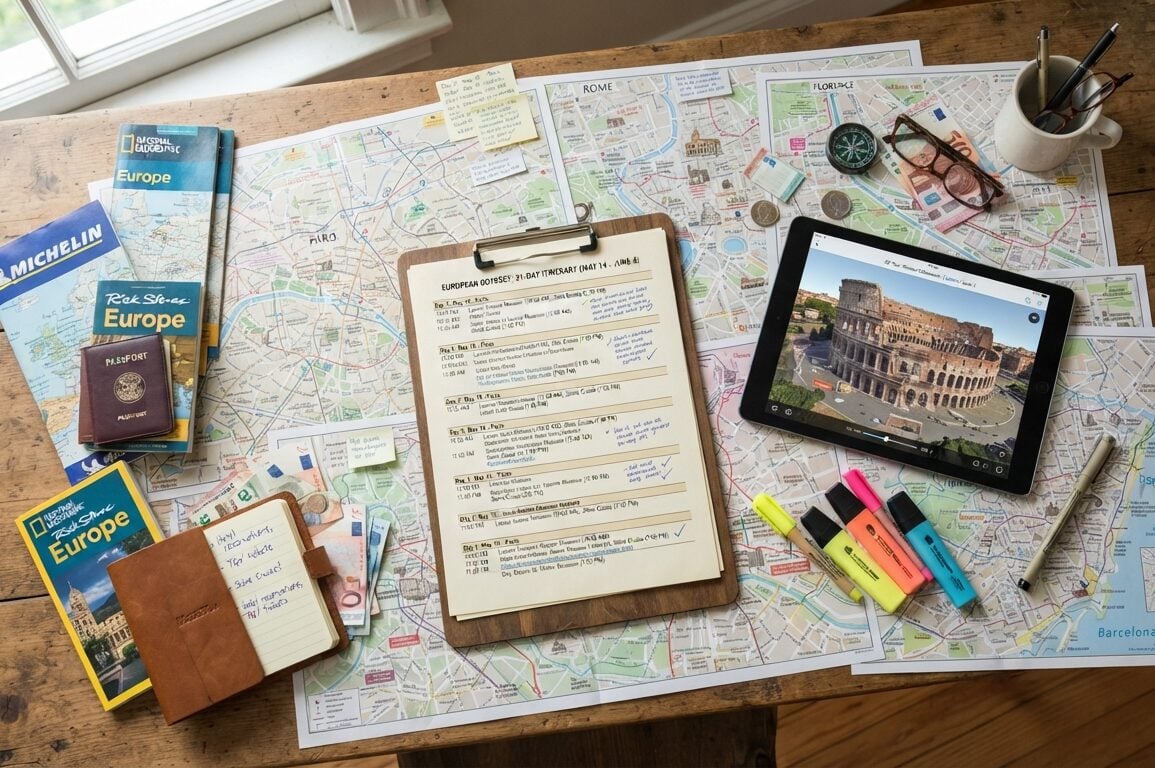
For homeowners who love educational expeditions, historic field trips, and cultural explorations, the study desk often doubles as a command center for route mapping. Laying out physical maps alongside digital research demands an expansive desktop made of resilient materials such as solid walnut, sealed birch, or quartz. When mapping out intricate itineraries or gathering practical regional advice, reviewing detailed destination insights on bamboocompass.com helps you coordinate daily travel logistics, navigate local terrain, and keep your upcoming journeys running smoothly.
Integrate discrete wire chases and hidden power strips into the desk build to power lamps, laptops, and document scanners without visual clutter. Concealed charging drawers allow devices to recharge out of sight, preserving the calm, distraction-free character of the room.
Separating Intellectual Research from Utility and Luggage Storage
A common remodeling mistake is forcing a home study to double as a general storage closet or packing zone. A library thrives on tidiness, paper preservation, and a contemplative atmosphere. Cluttering the floor with duffel bags, outdoor gear, and rolling suitcases quickly disrupts the tranquil environment necessary for scholarly focus.
Keep your study focused exclusively on clean desktop work, map reading, and administrative planning. While this space is ideal for plotting routes and archiving field notes, pairing your remodel with a dedicated home travel hub and packing suite keeps bulky luggage, outerwear, and transit essentials confined to an efficient, separate zone. This physical separation preserves the quiet dignity of your library while giving your travel gear a purpose-built home near an entryway or laundry area.
Within the study itself, install slim lateral file drawers with full-extension glides to store archival paper, permits, research notes, and passport folders neatly. Flat-drawer architectural flat files work wonders for storing oversized topo maps, charts, and vintage prints flat without folding or creasing.
Layering Lighting and Climate Controls to Protect Paper
Paper volumes and leather bindings are delicate materials that degrade rapidly in harsh conditions. Direct sunlight fades book spines and dries out adhesives, while fluctuating humidity can cause warping or mildew. Installing solar-filtering window shades or ultraviolet-blocking window films shields your collection while preserving natural ambient illumination during daylight hours.
A balanced lighting plan relies on three distinct layers that support various tasks throughout the day:
- Ambient ceiling fixtures with warm, diffused illumination that comfortably fill the entire room.
- Adjustable articulated task lamps positioned directly over reading chairs and desks to reduce eye strain.
- Low-voltage recessed accent lights angled toward bookshelves to illuminate titles without casting harsh shadows.
To protect your books and sensitive electronics from moisture damage, maintain consistent airflow and moderate humidity levels. If your home heating and cooling system struggles to regulate the room, consider adding an independent ductless mini-split system or a quiet ceiling fan that encourages gentle air movement across the shelves.
Crafting an Inviting Reading Nook for Prolonged Study
A library should welcome lingering sessions of uninterrupted contemplation. Dedicate at least one quiet corner to a comfortable, deep-seated armchair paired with a supportive ottoman and a sturdy side table. Upholster seating in breathable, natural fabrics like cotton velvet, soft linen, or worn leather that invite long hours of immersion in challenging texts.
Surround the nook with thoughtful personal touches that celebrate discovery and scholarship. Frame historic maps, academic diplomas, and botanical prints behind non-glare glass, arranging them on walls where they add visual depth without competing with bookcase millwork. Adding a wool area rug over hardwood flooring dampens footsteps, adds tactile warmth underfoot, and grounds the seating group.
Investing in a well-planned home library remodel creates an enduring intellectual retreat inside your home. By combining sturdy architectural millwork, focused ergonomic work zones, and intentional storage systems, you establish a peaceful sanctuary that supports deep thinking, curious investigation, and a lifetime of learning.