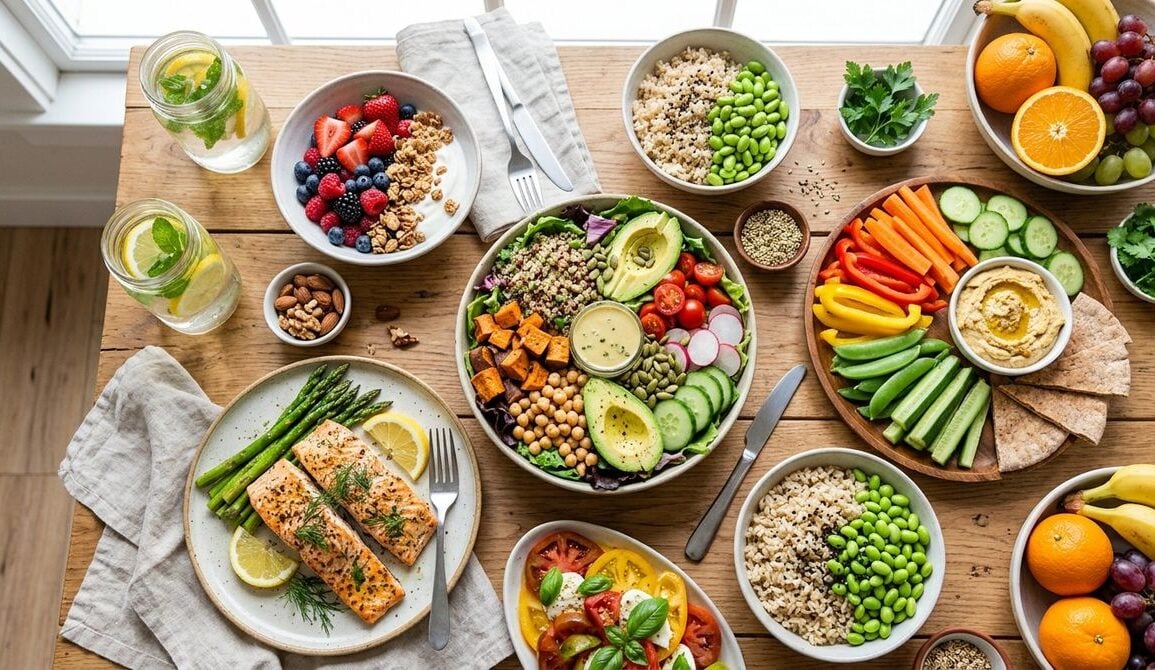
Food storage becomes frustrating when the main shelves are almost workable but the extra items have nowhere consistent to go. Packages drift onto counters, refrigerator shelves become crowded, and useful ingredients disappear behind newer arrivals. A visibility-first overflow system creates temporary, clearly bounded space without turning every open surface into long-term storage.
Start by separating a genuine short-term increase from a chronic capacity problem. A few extra ingredients for visitors need a different response from months of duplicate buying. Readers may also want to visit wellnessadvice.info.
Name the reason for overflow
Look at what repeatedly fails to fit. Large packages may be economical in attention but awkward in space. Ingredients for a future meal may be mixed with daily staples. Refrigerator leftovers may lack a clear destination. Identifying the cause prevents the household from buying containers that simply hide the same problem.
Choose one overflow category at a time. A “use next” zone, a meal-specific basket, or a shelf for unopened backup items can work because its purpose is narrow. Avoid a general overflow box containing food with different storage needs and no shared deadline.
Protect visibility and food safety
Never move food away from the storage conditions stated on its packaging. Keep raw and ready-to-eat foods separated as appropriate, maintain refrigerator airflow, and avoid blocking controls or vents. You can also visit runliftyoga.com for more reading.
Use a short setup checklist:
- confirm that every item is in its required temperature zone;
- keep labels and date information visible;
- group items by intended meal or use period;
- place older suitable items where they will be noticed first;
- leave airflow around chilled items and appliances; and
- define the maximum space overflow may occupy.
Containers should be easy to remove so the area behind them can be cleaned. Shallow bins often reveal contents better than deep baskets. Do not decant food merely for appearance if doing so would lose preparation, allergen, date, or storage information.
Create a return-to-normal trigger
Overflow should include an exit plan. Choose a trigger such as the end of a hosting period, completion of planned meals, or the next household food review. At that point, move remaining items into regular storage, plan their use, or make an appropriate decision about donation or disposal.
Keep a small note near the shopping list stating what is already waiting in overflow. This reduces accidental duplicates. A quick photograph before shopping can also help, provided it shows labels clearly enough to be useful. For a related read on this site, see Planning a Dedicated Home Movement and Recovery Space.
If overflow is constant, examine the underlying flow. Perhaps too many different ingredients are open at once, shelves are spaced inefficiently, or shopping quantities do not match the household rhythm. Adjust one cause and observe the result before redesigning the whole kitchen.
Make the boundary easy to respect
Give the zone a physical edge and a simple rule: one shelf, one tray, or one basket. When it is full, the response is to review its contents, not to begin a second pile. Make the rule visible to everyone who shops or cooks.

Store heavy items low and keep floors, work surfaces, and appliance ventilation areas clear. Avoid placing food near household chemicals or where heat, sunlight, pests, or moisture may affect it. Clean spills promptly and inspect hidden corners during each reset.
Include everyone who handles food
Explain the overflow rule to household members, guests who are helping, and anyone who regularly shops. A system that only one person understands will quickly lose its purpose. Use plain labels, keep dietary or allergen separation clear where needed, and avoid moving another person’s food without agreement in a shared kitchen.
Make the “use next” decision visible at the point where meals are planned, not hidden inside a storage inventory. If an item needs preparation before it can be used, add that step to the meal plan. If the household repeatedly avoids a particular ingredient, discuss why instead of returning it to the back of the zone.
During the reset, wipe the empty shelf or tray and check surrounding packages for damage. Investigate any sign of pests and use appropriate professional help when necessary. Overflow should never conceal a sanitation or building problem.
A good overflow system is intentionally temporary. It keeps extra food visible, safe, and connected to a plan for use. By naming the purpose, respecting storage requirements, and setting a firm capacity boundary, a household can handle busy periods without accepting permanent kitchen clutter.