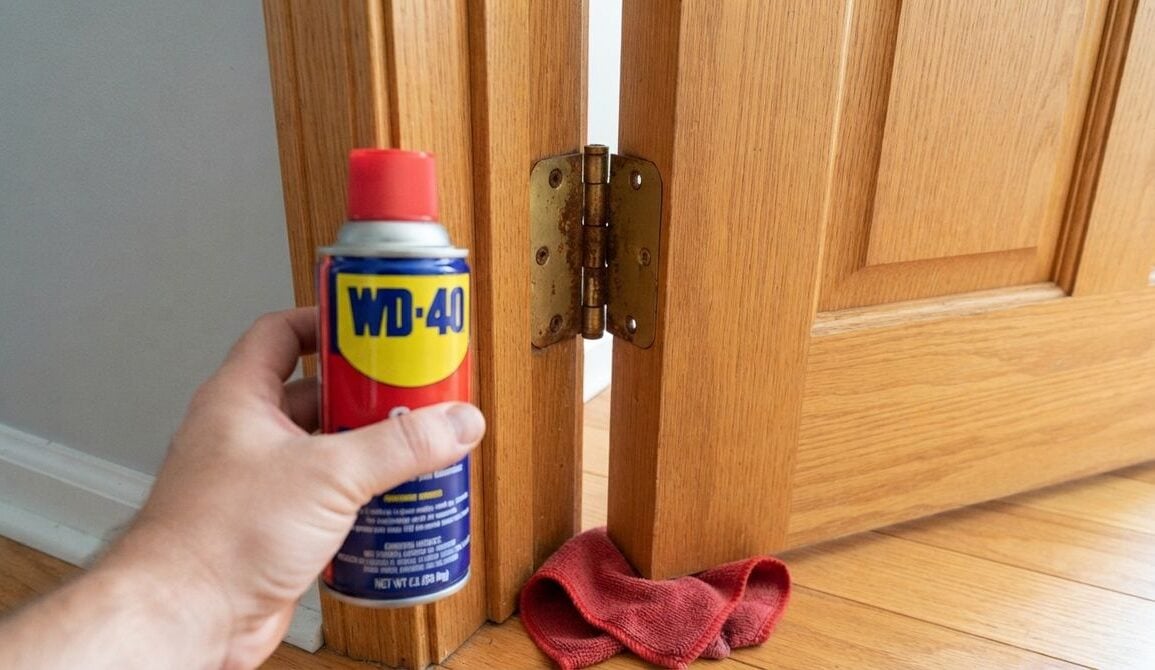
A sticking interior door is one of those small household annoyances that slowly builds frustration every single day. You push against the wood with your shoulder, tug hard on the handle, and hear that familiar scraping sound as the frame resists movement. Fortunately, most sticking doors do not require lifting heavy slabs off their pins or hiring a carpenter. With a few basic hand tools and a calm, methodical approach, you can restore a smooth swing while the door stays right where it hangs.
Why doors start sticking over time
Wood is a natural material that responds constantly to changes in indoor moisture and temperature. During humid months, timber fibers absorb water from the air and swell slightly, closing the narrow gap between the door edge and the jamb. In older homes, gradual settling of the foundation can also shift door frames just enough to throw alignment out of balance. Even simple daily wear plays a role, as hinges slowly loosen under the repeated weight of the door swinging open and shut.
Finding the exact friction point
Before picking up sandpaper or a screwdriver, take a moment to locate where the door is actually rubbing. Close the door slowly until it catches, then look closely around the top, latch side, and hinge side for tight gaps. You can also slide a thin piece of stiff paper along the perimeter while the door is closed; wherever the paper stops or tears, you have found your problem spot. Another reliable trick is rubbing ordinary chalk along the door edge, closing it firmly, and opening it again to see where the chalk transfers onto the frame.
Essential steps to adjust and smooth the door
Once you know where the friction happens, work through these simple fixes in order from least invasive to more involved:
- Tighten every hinge screw on both the door leaf and the frame using a properly sized manual screwdriver so you do not strip the heads.
- Replace any spinning or loose top hinge screws with longer wood screws that reach deep into the structural framing behind the jamb, pulling the sagging top corner back into alignment.
- Place a scrap block of wood over the high spot on the frame and tap it gently with a hammer to compress the wood fibers slightly without leaving dent marks.
- Wrap medium-grit sandpaper around a flat wooden sanding block and sand down the marked friction edge with steady, even strokes parallel to the wood grain.
- Wipe away all sawdust with a slightly damp cloth, let the wood dry completely, and seal the bare edge with matching paint or clear varnish so moisture cannot enter again.
Protecting the wood from future swelling
Sanding away sticking spots solves the immediate mechanical problem, yet leaving raw wood exposed invites the same issue to return next season. The top and bottom edges of interior doors are frequently left unpainted during installation, acting like sponges whenever humidity rises indoors. Applying a thin coat of primer and finish paint to all six sides of the door creates a moisture barrier that keeps expansion to a minimum. Readers may also want to visit DecoratorAdvice.

Knowing when a deeper frame issue exists
While the vast majority of sticking doors respond well to hinge tightening and light sanding, occasional cases point to underlying structural movement. If you notice diagonal cracks radiating from the upper corners of the doorway, or if multiple doors on the same floor suddenly bind at once, the frame itself may be shifting. In those situations, forcing the door or shaving off large amounts of wood will only mask a bigger concern. You can also visit deltadesignltd.co.uk for more reading.
Taking twenty quiet minutes to diagnose and adjust a stubborn door brings immediate satisfaction every time you walk through the room. Keep a small sanding block and a few long screws in your household toolbox so you can tackle minor friction before it damages paint or hardware. For more approachable DIY repair walkthroughs and everyday maintenance tips, bookmark this practical website and keep your home running smoothly year-round.