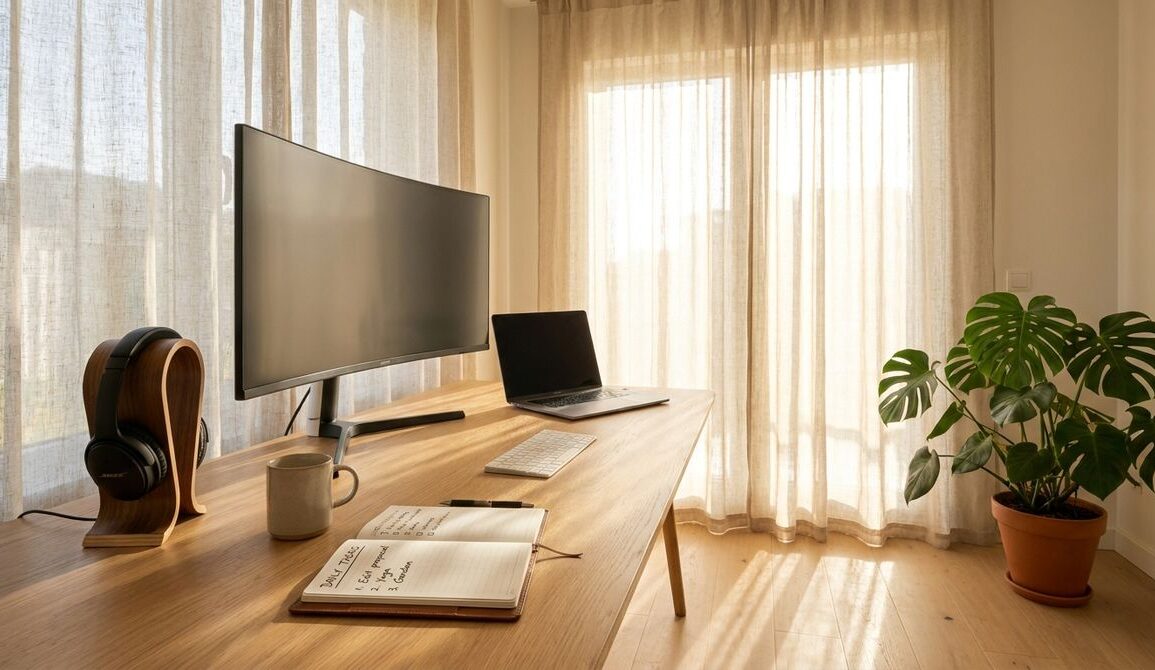
Creating an effective study corner at home can make a dramatic difference in how smoothly children, teenagers, and adult learners focus on homework and reading. When students try to complete assignments on a living room couch surrounded by television noise, kitchen traffic, and buzzing phones, mental fatigue sets in rapidly. Yet families do not need a spare room or expensive designer furniture to build a productive learning zone.
Even a quiet corner of a bedroom, dining nook, or hallway alcove can become an inviting study station with thoughtful arrangement. Understanding how lighting, seating posture, and clutter control influence concentration helps parents and students design spaces that encourage calm focus. Small adjustments at home turn nightly homework from a battle into a steady, predictable habit.
Choosing the Right Location and Lighting Setup
Location sets the stage for whether a study space invites deep focus or constant interruption. Ideally, position the desk facing a blank wall or a quiet window looking out at trees rather than facing a busy hallway or television screen. If space requires placing the desk in a shared family area, establishing quiet household hours during afternoon homework sessions helps everyone respect concentration.
Proper lighting prevents eye strain, headaches, and afternoon drowsiness during reading and writing tasks. Natural daylight coming from the side reduces screen glare while keeping alertness steady. Readers may also want to visit Internet Chicks Worth.
Choosing warm-white bulbs rather than dim yellow or overly harsh blue lights keeps pages crisp and comfortable to read during evening study hours.
Selecting Ergonomic Seating and Desk Proportions
Physical restlessness often stems from uncomfortable seating rather than a lack of willpower. When a student’s feet dangle above the floor or their shoulders hunch forward over a low table, back and neck discomfort quickly distracts their attention. Adjusting chair height so feet rest flat on the floor—or placing a sturdy footrest underneath—stabilizes posture immediately.
Elbows should rest comfortably near ninety degrees when typing on a keyboard or writing in a notebook. Raising laptop screens onto a simple stack of books while using an external keyboard prevents younger and older students alike from craning their necks downward for hours. You can also visit yamamamedia.com for more reading.
Keeping an insulated water bottle on the corner of the desk encourages regular hydration without requiring constant trips back to the kitchen.
Organizing Supplies to Eliminate Visual Clutter
A desk buried under loose papers, dried-out markers, and tangled charging cables competes directly with schoolwork for a student’s attention. Keeping only current assignment materials on the desktop clears mental space immediately. Simple desktop organizers, shallow drawer trays, or labeled wall pockets give everyday essentials like pencils, rulers, index cards, and calculators a clear home.
Establishing a five-minute tidy routine at the end of every study session resets the desk for tomorrow. Filing completed worksheets into subject folders prevents last-minute morning panics searching for homework due first period. For a related read on this site, see Revitalizing Your Entryway for Daily Calm and Order.
* Place a small charging station outside the study zone so smartphones stay out of reach during focus blocks.
* Hang a simple wall calendar or corkboard above the desk to track upcoming project deadlines visually.

* Keep a small stash of lined paper, sticky notes, and sharpened pencils ready so supply hunts never break focus.
Personalizing the Space Without Overstimulation
While excessive posters and blinking gadgets create distraction, adding one or two meaningful personal touches makes a study corner feel welcoming. A small potted houseplant, a framed encouraging quote, or a neat pencil cup chosen by the student builds ownership over the space. When learners help arrange and decorate their own desk area, they feel naturally motivated to sit down and use it.
Using noise-canceling headphones or soft background rain sounds can also mask unavoidable household noises in busy apartments or multi-sibling homes.
Supporting Lifelong Learning Habits at Home
A well-designed home study space sends a clear message that learning, curiosity, and quiet concentration matter. You do not need lavish square footage to create an environment where focus flourishes naturally.
Start by clearing one surface, adjusting chair height and lamp placement, and tucking distractions out of sight. With a calm, comfortable station ready each afternoon, students can tackle challenges with clarity and confidence.