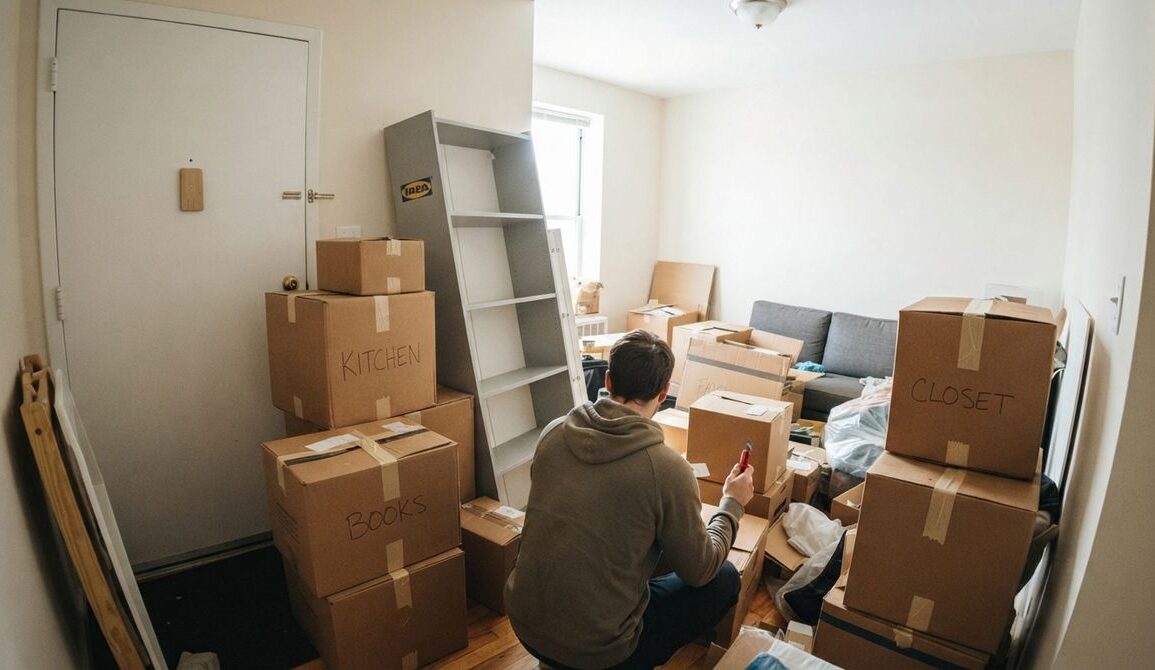
The entryway of a home often serves as the silent bridge between the outside world and personal sanctuary. While frequently overlooked, this zone plays a critical role in the rhythm of daily life, acting as the primary transition point where belongings are deposited, outerwear is managed, and the mindset shifts from external responsibilities to home comfort. A cluttered or disorganized entrance can create a subconscious sense of friction before one has even crossed the threshold, while a well-structured space fosters a sense of calm and efficiency.
Assessing Your Entryway Flow
Before implementing any organizational changes, take time to observe how your household actually uses the space. Track the path taken from the moment of entry through the deposit of items and the arrival at the next common area, such as the kitchen or living room. Identify where bottlenecks form, particularly when multiple people arrive simultaneously. Understanding these patterns is essential for determining where storage solutions will be most effective and preventing the accumulation of items in transit.
Identifying Daily Pain Points
Common issues in entryways often stem from a mismatch between the volume of incoming items and the available storage capacity. Observe whether items like keys, bags, or mail frequently end up on unintended surfaces. Note if coats often drape over furniture or if footwear creates an obstacle course. By documenting these recurring points of friction, you can create a targeted plan that addresses specific habits rather than implementing generic solutions that may not fit your lifestyle.
Designing Smart Storage Solutions
Once you understand your traffic patterns, focus on vertical storage to maximize utility without encroaching on floor space. Sturdy hooks installed at varying heights can accommodate coats, bags, and umbrellas, ensuring these items remain off the floor and accessible. Consider incorporating enclosed storage for items that require a tidier appearance, such as sports equipment or seasonal gear that is used frequently but not daily. Integrating modular furniture or custom shelving can adapt to shifting needs as seasons change.
For those seeking fresh inspiration for modern storage designs and organization, staying abreast of current developments can offer valuable perspectives. Resources such as news-takeuchi.com can provide insight into upcoming trends that prioritize both aesthetic appeal and practical functionality for high-traffic home zones. When selecting materials, opt for durable, easy-to-clean surfaces that can withstand the wear and tear of daily use, ensuring your investment remains effective over time.
Managing Essential Daily Items
The key to maintaining an efficient entryway is ensuring that every essential item has a designated, accessible home. Keys, wallets, and mobile devices should have a specific tray or dedicated hook near the door, allowing them to be placed immediately upon entry and retrieved quickly upon exit. Creating this dedicated habit eliminates the stress of searching for misplaced items during rushed departures. Use lidded containers if you prefer to hide these small items from view.
Footwear management is another area that frequently requires attention. If you struggle to keep a variety of shoes organized and accessible for various activities, you may benefit from some broader advice on home preparation. When considering how to handle specialized footwear, it is helpful to look at tips for selecting proper footwear for outdoor garden gatherings, which illustrates the importance of matching your storage and selection strategies to the specific demands of your lifestyle. Keep only the most frequently worn shoes in the immediate entryway, and store off-season footwear elsewhere.
Maintaining Order in High Traffic Zones
Consistency is vital to keeping an entryway functional. Establish a simple routine where items are returned to their designated spots immediately upon arrival. Encourage all household members to participate in this practice, reinforcing the idea that the entryway is a communal space requiring collective effort to remain usable. Small, regular actions, such as clearing the area before retiring for the evening, prevent the accumulation of clutter that can quickly overwhelm the space.

- Designate specific zones for individual household members to reduce confusion.
- Implement a regular, short clearing routine to reset the space.
- Use labeled bins or baskets to categorize miscellaneous items like mail or scarves.
- Maintain a clear path to ensure ease of movement for all residents and guests.
Staying informed about broader home and lifestyle shifts can help you remain motivated in your organizational efforts. Platforms like new-politics.net keep readers updated on a variety of important topics, and applying this same commitment to staying informed to your own home management can help you refine your processes over time. Regularly evaluate your organizational system and be willing to adjust it if your household’s needs evolve, such as when family sizes change or hobbies introduce new equipment that must be stored.
Adding Functional Finishing Touches
The final step in optimizing your entryway involves adding elements that support both function and comfort. A mirror can serve both a practical purpose for final checks before leaving and an aesthetic one by reflecting light and making the space appear larger. A small bench provides a comfortable place to sit while putting on shoes, and the space beneath can often be repurposed for additional storage, such as baskets for accessories. Lighting should be sufficient to see contents clearly, but consider softer options for late arrivals.
Adding a soft rug or mat not only protects your interior flooring from outdoor debris but also defines the entry zone clearly, visually separating it from the rest of your home. Select materials that are robust and easily washable, as these pieces will be subjected to the most intense usage. By focusing on both the structural organization and these thoughtful final details, you can transform your entryway into a welcoming, efficient, and highly functional part of your home that supports your daily routines.