Creating a dedicated area for digital tasks within your home goes beyond simply placing a desk in a corner. It requires a thoughtful approach to both your physical environment and the digital tools you interact with daily. A well-organized space supports concentration, reduces clutter, and helps maintain a boundary between professional tasks and home life. By intentionally designing your workspace, you can improve how you manage your time and attention.
Defining Your Digital Home Office
The first step in establishing a productive digital workspace is selecting an area that offers natural light and adequate space for your equipment. Avoid areas that serve high-traffic functions in your home to minimize distractions. Proper ergonomics should take center stage, ensuring your chair provides adequate lumbar support and that your screen sits at eye level to prevent strain during long periods of activity. Once the physical foundation is set, consider how cable management can reduce visual chaos. A tidy desk often mirrors a clearer mind, making it easier to focus on your immediate goals rather than external disturbances.
Organizing your environment involves several key adjustments that improve daily functionality. When setting up your desk, consider these essential elements to maintain a clear workspace:
- Ensure all cables are tucked away or bundled to prevent tangling.
- Keep your most-used items within easy reach of your primary seating position.
- Dedicate specific zones for different tasks, such as writing versus administrative work.
- Use lighting that reduces glare on screens while providing adequate illumination for reading documents.
Protecting Your Online Privacy
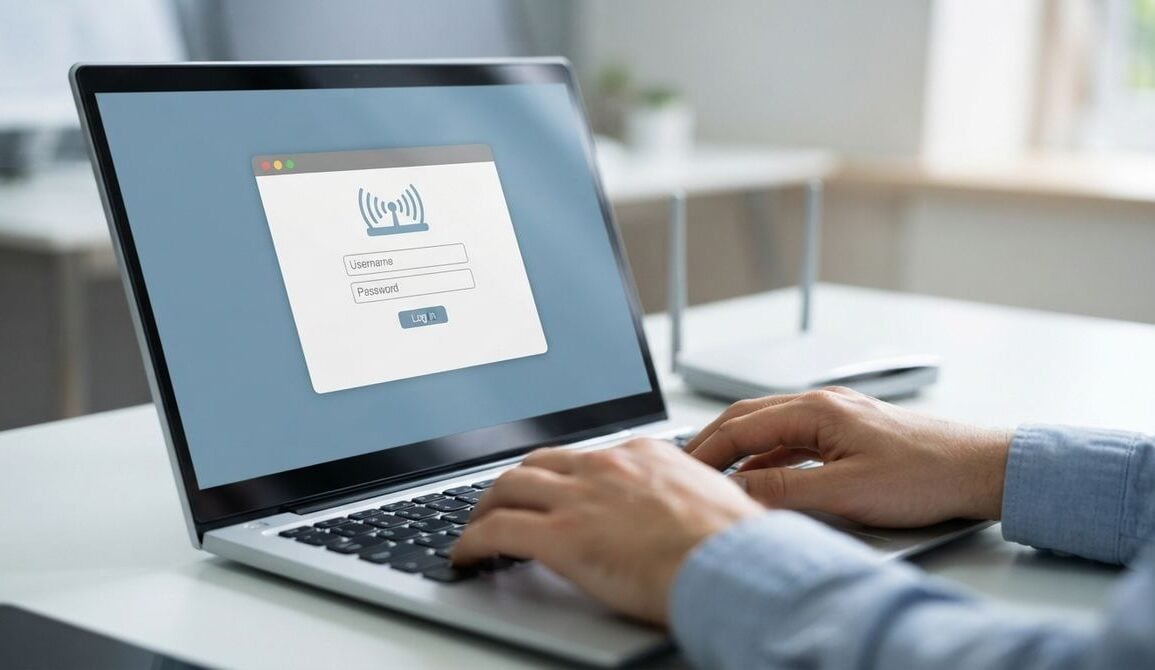
When working from home, your digital footprint is often larger than you realize. Managing how websites track your activity is a critical component of maintaining a secure and professional digital workspace. Many platforms use tracking tools that collect data about your habits without your explicit understanding. Taking control of this aspect of your digital life is essential for maintaining your personal boundaries. To better manage consent and privacy in your digital interactions, many professionals use tools like cookiebot to ensure their online activities remain transparent and secure, reducing the volume of unwanted data collection.
Beyond using privacy tools, consider adopting habits such as regular password updates and using secure connections for sensitive tasks. Treating your home digital environment with the same security standards as an office environment protects not only your work but also your household data. Simple steps, like clearing your browser cache and reviewing permissions granted to various applications, can significantly enhance your overall digital safety.
Curating Information for Better Focus
In a digital workspace, the temptation to consume endless streams of information is high. While staying updated on global affairs and industry trends is necessary, it is equally important to control the flow of this information to prevent overwhelming your concentration. Your workspace should be a place where you can process information efficiently rather than a place where you are constantly interrupted by notifications and headlines.
Instead of passively consuming whatever appears on your screens, consciously select sources that provide the depth and context you need. Engaging with resources like the Kora Platform can help you access curated content that fits your specific needs for staying informed. By limiting your time on information platforms and scheduling them as part of your day rather than constant background noise, you reclaim your focus and improve the quality of your output.

Integrating Physical and Digital Systems
True productivity stems from a seamless integration between your digital tools and your physical organization. If you have been working on upgrading your household systems, you may find that the principles applied in other areas of your home are highly transferable to your digital setup. Successfully transforming your home workspace efficiency relies on creating a system where physical tools—like notebooks, printers, and filing systems—complement your digital workflow. If you are constantly switching between paper-based tasks and screen-based work, aim to bridge the gap with better storage and accessibility.
For example, store your physical reference materials close to your workstation so you do not have to leave the room to find a document. At the same time, ensure your digital files are structured with naming conventions that mirror your physical filing system. This dual approach minimizes the friction of switching tasks and keeps you firmly in a productive mindset.
Maintaining Long-term Workspace Health
Finally, your workspace must be sustainable over the long term. This means regularly reassessing how you use your area and being willing to make adjustments as your needs evolve. Once a month, take time to clear off your desk completely, organize your digital files, and update your software. This routine maintenance prevents clutter from building up and ensures that your tools remain effective for the tasks you are currently tackling.
Remember that a workspace should also be a place where you feel comfortable. Adding small personal touches that do not distract—such as a small plant or a specific type of background lighting—can make your time spent working feel more rewarding. By balancing functionality with comfort, you create a space that supports your goals and respects the importance of your digital and physical well-being.