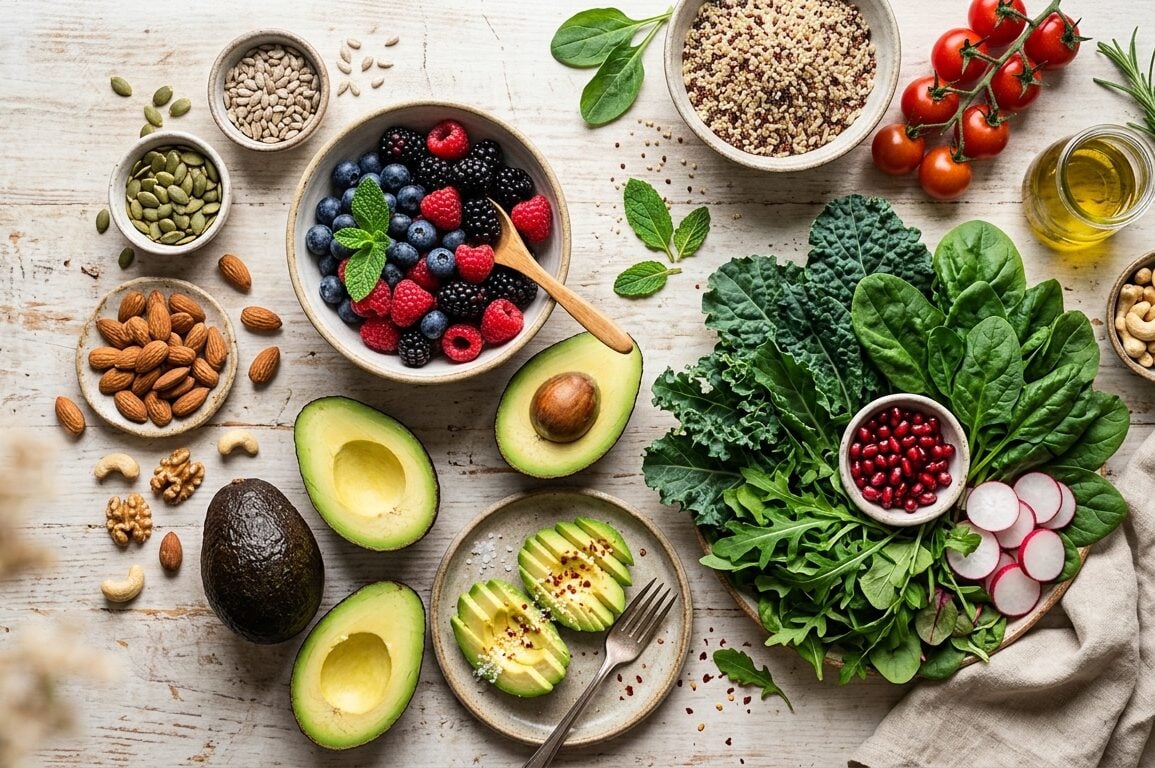
A home remodel is often driven by aesthetics, but the spaces we build also shape our daily routines. When updating a house, homeowners frequently seek ways to make their living environment support a cleaner lifestyle. The kitchen is naturally the center of this effort, yet the pantry is where everyday eating habits truly begin. A poorly organized cabinet encourages hasty choices, while a well-planned storage space makes wholesome meal preparation simple and inviting.
Remodeling your pantry with wellness in mind transforms how you interact with food. By creating dedicated storage zones, improving sightlines, and selecting durable surfaces, you can build a space that keeps dry goods in peak condition and within easy reach. Whether reconfiguring an existing walk-in closet or rebuilding reach-in cabinetry from the ground up, deliberate layout choices turn your pantry into a natural extension of your daily wellness goals.
Assessing Storage Zones for Whole Foods and Grains
The foundation of a health-oriented pantry remodel lies in creating distinct zones based on how dry ingredients behave. Whole grains, legumes, raw nuts, and seeds require cool, dark conditions away from stove heat and direct sunlight to protect their natural oils from spoiling. When sketching your shelf plans, allocate cooler, lower shelves for heavier airtight bins of bulk brown rice, quinoa, and dried beans. This keeps everyday staples accessible while preventing heat damage from overhead light fixtures.
Root vegetables and fresh produce that do not require cold refrigeration also deserve a dedicated zone. Wire pull-out drawers or slatted wooden crates installed near the floor allow air to circulate freely around onions, sweet potatoes, and garlic. Storing these wholesome ingredients where they stay fresh longer makes cooking from scratch much more convenient. When planning shelf layouts for staples, home cooks often look to health platforms like Eat Well And Live Long to understand which wholesome dry goods belong front and center in a nourishing household. Once you know which nourishing ingredients your family uses most frequently, you can tailor your shelf depths to hold those items without overcrowding.
Optimizing Visibility to Encourage Nutritious Choices
Human behavior is heavily influenced by convenience and line of sight. If nutritious snacks and whole ingredients are hidden behind deep doors or buried in shadowy corners, household members naturally reach for quick convenience items instead. A successful pantry remodel uses open sightlines to put health-focused choices front and center. Installing shallow shelving or pull-out pantry slides at chest level ensures that wholesome items remain the first things you see.
Clear storage containers made of glass or food-safe materials are an essential design element for visual pantry organization. Decanting dried lentils, rolled oats, and raw almonds into uniform jars not only creates an orderly aesthetic, but it also allows you to monitor inventory levels at a glance. You immediately see when your supply of nutrient-rich basics is running low, which simplifies your grocery planning.
Integrating thoughtful design with practical nutrition principles helps reinforce positive routines across the entire household. Reading insights from registered nutrition professionals at The Candid RD can help homeowners identify which nutrient-dense ingredients deserve priority display over processed alternatives. When your family opens the pantry door after a busy day, having colorful dried fruit, seeds, and unsalted nuts clearly displayed removes the mental fatigue of deciding what to eat.
Building Dedicated Stations for Meal Prep Equipment
A modern pantry remodel can do far more than merely store dry food boxes. By expanding the footprint slightly or reallocating vertical space, you can incorporate a small countertop surface directly inside the pantry. This prep ledge serves as an ideal staging ground for kitchen appliances such as high-powered blenders, food processors, dehydrators, and grain mills.
Having appliances permanently plugged in and ready to use eliminates one of the biggest hurdles to healthy cooking: the hassle of dragging heavy machinery out of deep base cabinets. Installing grounded electrical outlets along the pantry backsplash allows you to blend morning smoothies or process batch ingredients without cluttering your main kitchen counters.
If you already explored our guide on smart kitchen remodeling for passionate cooks, you know that keeping prep tools plugged in and accessible eliminates friction when assembling fresh meals. Adding task lighting beneath pantry shelves further enhances functionality, illuminating work surfaces so you can measure, chop, or portion dry goods comfortably in one self-contained work area.
Choosing Durable Materials for Clean Storage
Pantry shelving must endure significant weight and frequent cleaning, particularly when holding bulk jars, large glass canisters, and fresh root crops. Wire shelving might seem convenient, but small seeds fall through the gaps, and containers can tip over. Upgrading to solid surfaces creates a far more stable, hygienic storage environment.
Natural hardwood shelves or high-density composite boards finished with non-toxic, moisture-resistant sealants provide the structural support needed for heavy glass storage. These smooth surfaces wipe down easily when flour or spices spill, helping prevent insect interest and maintaining a clean food environment throughout every season of the year.

To ensure your new storage build stands up to daily use, look for structural features that combine strength with simple maintenance:
- Solid flat shelving surfaces that prevent jars from tipping and catch stray spills
- Adjustable vertical support tracks that let you adapt shelf heights as storage needs evolve
- Smooth, washable shelf coatings that resist moisture from pantry humidity
- Breathable slatted bins or wire drawers designed specifically for fresh produce ventilation
Creating Long-Term Routines for Everyday Flow
The best remodeling project is one that remains effortless to maintain long after construction ends. To keep your newly remodeled pantry working for your health, design an intuitive labeling system for your containers and bins. Reusable labels or embossed tags make it clear where every grain and seed belongs, making it simple for the whole family to return items to their proper spots.
Group your pantry shelves by meal themes rather than container sizes. Create a dedicated section for morning grain bowls, a baking basket for natural sweeteners and seed flours, and a dinner station stocked with quick-cooking pulses and broths. This thematic organization streamlines daily meal preparation, turning home cooking from an exhausting chore into a relaxing, health-affirming ritual.
A thoughtful pantry remodel brings harmony to your home by turning healthy eating into the easiest path available. When wholesome staples are preserved properly, showcased clearly, and supported by practical prep space, your entire home naturally aligns with a balanced lifestyle. Deliberate renovation turns simple storage into an inspiring foundation for lasting everyday wellness.