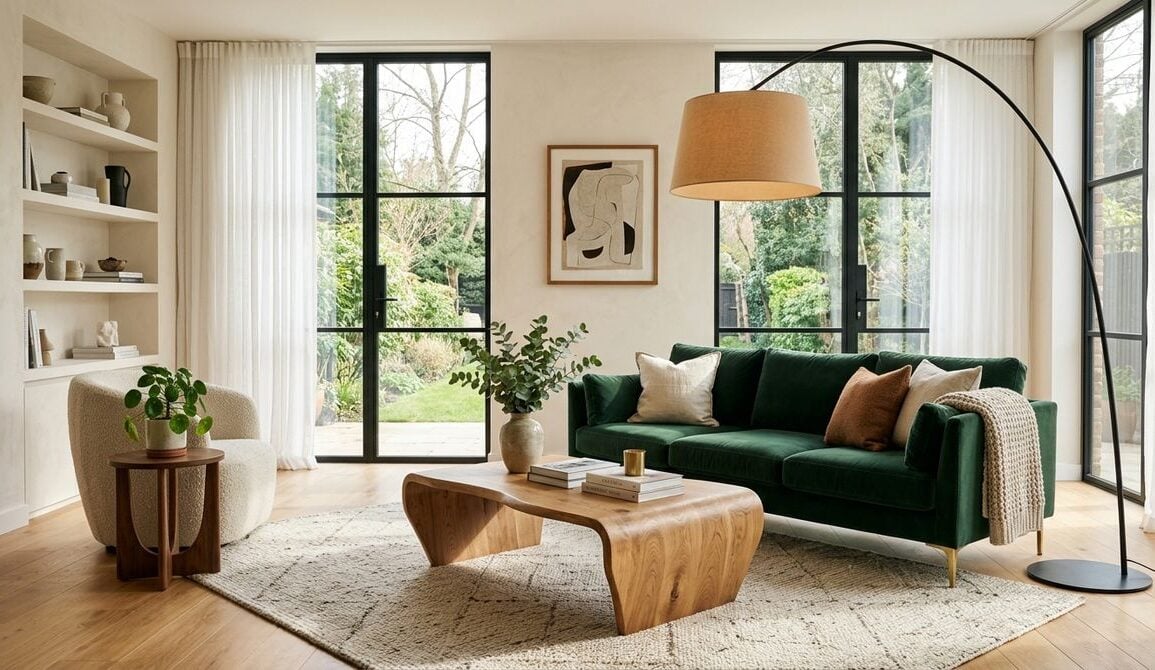
Creating a space dedicated to quiet contemplation and intentional relaxation can transform your daily experience within your home. Many people find that their main living areas are often busy, filled with the demands of family life, work tasks, or general household management. By establishing a dedicated, smaller space, you can cultivate an environment that fosters peace rather than activity. Rather than aiming to renovate an entire room or construct a complex addition, focusing on a specific nook allows for a manageable, highly impactful project that fits into your existing floor plan.
This approach to enhancing your home experience is similar in spirit to the efforts detailed in our article on refining your spare room for guests, where the focus remains on maximizing the functionality and comfort of your existing space through thoughtful, incremental choices. When you curate a nook, you are applying that same principle of intentionality to your own daily comfort and well-being.
Assessing Your Home for a Quiet Space
The first step in this process is evaluating the rooms you already have to find a suitable location. You do not need a vast area to create a meaningful retreat; a corner of a bedroom, a quiet spot in the living room, or even a modified landing can serve the purpose perfectly. The key is to look for zones where you are less likely to be interrupted or distracted by the normal flow of household traffic.
Take time to observe how your home functions throughout the day. Consider the light, the sound levels, and the general feeling of different areas at the times when you are most likely to use your nook. Your goal is to establish a physical boundary that mentally shifts you from an active, busy mindset to one of relaxation. Sometimes, this can be achieved simply by angling a chair away from the main part of the room or using a small decorative screen to create a sense of privacy.
Selecting Comfortable Furniture and Layouts
Once you have identified your location, your focus should shift to the furniture. The central piece should be exceptionally comfortable and supportive, as this will determine how long and how well you can use the space. Think about the physical support you need for long periods of sitting. Perhaps a chair with an ottoman is better for you than a standard armchair, as it allows you to fully relax your legs.
Consider the ergonomics of the space carefully. The furniture should not only feel good immediately but also provide comfort for the duration of your reading or relaxation sessions. If you plan to spend time journaling, ensure you have a surface at the correct height, or consider how you will comfortably hold your materials. Below are a few essential elements to consider for your setup:
- Select a chair that provides solid back support.
- Add a sturdy, small side table for beverages or materials.
- Include a soft throw or blanket for added warmth.
- Consider a footstool to elevate your legs comfortably.
Managing Lighting for Your Wellness Nook
Lighting is a fundamental aspect of both the mood and the functionality of your nook. If your chosen space is near a window, you can use sheer curtains or adjustable blinds to soften natural light during the day, preventing glare while still enjoying the bright atmosphere. Natural light is excellent for reading during daylight hours, but it can be unpredictable.
For the evening or if your nook is in a darker corner of the room, you should opt for warm-toned, inviting lighting. A dedicated task lamp with an adjustable arm is often superior to general overhead lighting, as it allows you to direct light exactly where you need it without brightening the entire room. This helps to maintain the cozy, focused atmosphere that is crucial for a relaxation space. Avoid harsh, cool-toned bulbs, as they tend to feel clinical and work against the calm environment you are trying to create.
Curating Your Content and Environment
The environment you create should be deeply conducive to the specific activities you plan for your nook, whether that is reading books, journaling, meditating, or simply resting. This space should reflect your personal interests. Many people find great inspiration for their reading material and hobby pursuits on websites such as hunbaba.com, where a wide variety of interests and topics can be explored to help you build your own library of content.
If you are also interested in staying informed about global matters without becoming overwhelmed by constant digital noise, you might look at a trusted resource like credinspress.com to catch up on essential headlines briefly before turning your focus entirely to your personal relaxation time. By managing your intake of information before you settle into your nook, you ensure that your time spent there is free from unnecessary stress, allowing you to fully enjoy the tranquility you have worked to build.
Maintaining Your Tranquil Escape
The final, and perhaps most important, step is establishing habits to keep the space inviting and ready for use. It is easy for a quiet corner to become a temporary storage spot for miscellaneous household items, such as stray papers, laundry, or unrelated tools. This will quickly undermine the purpose of the space.
Treat your nook as a sacred area of your home. Clear it of clutter before you finish using it, and avoid bringing items into the space that do not contribute to your relaxation or personal growth. By keeping the area tidy and dedicated only to its intended purpose, you ensure that it remains a reliable, peaceful refuge whenever you need a moment of calm within your busy home.