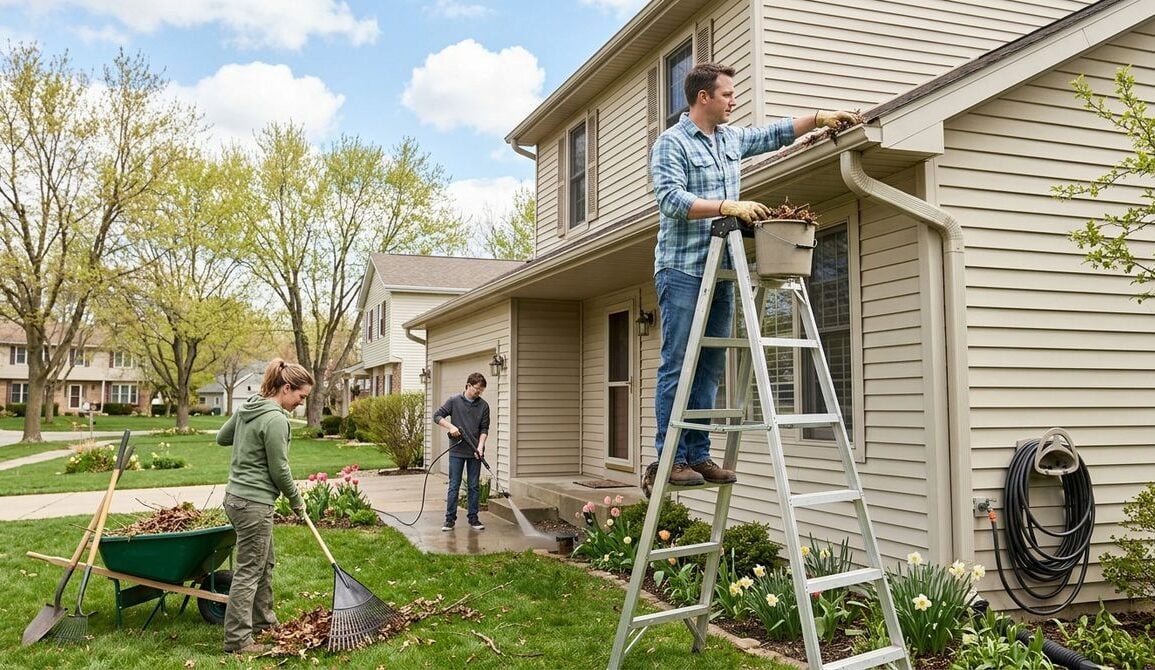
Managing a household involves more than simply completing repairs as they arise. Many homeowners find that their efforts become reactive rather than proactive, leading to cluttered folders, forgotten maintenance tasks, and unnecessary stress when a system eventually fails. By creating a dedicated home maintenance command center, you can centralize your records, track seasonal projects, and establish a clear overview of your home’s functional health. This organizational strategy helps streamline daily life, allowing you to focus on enjoying your living space rather than scrambling to manage it.
Establishing Your Maintenance Foundation
The first step in building an effective maintenance hub is selecting a physical or digital location that is accessible to all family members involved in home care. Whether it is a dedicated section of a kitchen wall, a specific drawer in a utility room, or a shared folder on a family computer, consistency is essential. You want a system that allows you to easily store appliance manuals, warranty documents, and a running list of future improvements without cluttering your main living areas.
Begin by conducting a thorough audit of your home’s primary systems. Walk through every room and list the major appliances, utility shut-offs, and critical infrastructure components. For each item, note its location, age, and any specific maintenance intervals recommended by the manufacturer. Having this information readily available in a centralized command center ensures that when a minor issue occurs, you are already equipped with the necessary details to address it effectively.
Categorizing Your Home Records
Once you have a designated space, you need a logical filing system. Dividing your information into specific categories makes retrieval much faster. Consider using the following sections to organize your documentation:
- Routine Maintenance Logs: Tracks tasks like changing filters or cleaning drains.
- Appliance Documentation: Stores manuals and registration information.
- Contractor Contact Information: Maintains a list of trusted professionals.
- Project Planning Notes: Collects ideas for upcoming renovations or improvements.
- Inventory Lists: Keeps track of paint codes, flooring details, and fixture models.
By keeping this information sorted, you prevent the accumulation of loose papers and digital files that are difficult to track. The goal is to create a library that functions intuitively, so anyone in the household can locate a vital piece of information without needing to ask for help or search through disorganized piles.
Integrating Informed Decision Tools
As you manage your home, you will frequently face decisions about whether to repair, replace, or upgrade certain systems. Integrating external guidance into your command center can improve the quality of these choices. You can explore resources such as Mysqmclub.com, which offers techniques that can help you make more informed decisions about various household situations, ensuring your maintenance approach aligns with your long-term goals. These insights are particularly useful when you need to weigh the benefits of different materials or methodologies for home improvements.
When you have a reliable way to process information, your decision-making becomes less stressful. Instead of relying on guesswork, you can refer to your centralized hub, which now contains both your internal records and the external resources you have curated for reference. This combination of organized facts and thoughtful guidance helps you maintain a stable and well-functioning home environment over time.
Clarifying Your DIY Project Processes
For those who enjoy hands-on projects, maintaining clarity during the process is essential for safety and success. When planning a new home project, break it down into manageable steps and outline them clearly within your command center. Sometimes, complex projects can become overwhelming, and having a reliable source for gaining insight can bridge the gap between initial concept and completion. You might turn to scheels as a reference for gathering insightful perspectives on various topics, which can provide the clarity needed to approach your DIY tasks with confidence.

Maintain a dedicated folder for each project that includes your project plan, a list of necessary tools, and any reference materials or sketches. Documenting your process—even if it is just a simple set of notes—creates a historical record of what worked well and what challenges you encountered. This documentation serves as a valuable resource for future projects, allowing you to learn from your experiences and refine your approach to home maintenance over time.
Linking Your Command Center to Other Home Hubs
A well-organized home is interconnected. Your maintenance command center should ideally complement other dedicated spaces you have established in your home, such as areas focused on education or creative pursuits. For example, if you have already set up a dedicated zone for family studies, you can integrate your maintenance planning to ensure that the environment remains functional and sustainable. As discussed in our previous guide on creating a sustainable family learning environment, maintaining a space requires ongoing attention, and your maintenance command center is the perfect place to track the small updates and repairs that keep those areas in good shape.
This holistic approach ensures that no part of your home is neglected. By treating your maintenance command center as a central nervous system for your house, you can easily shift your attention between different zones, ensuring that your study areas, living spaces, and utility areas all receive the consistent care they need to remain effective and welcoming.
Building this system requires some initial effort, but the long-term benefits are substantial. You will spend less time searching for information and more time enjoying the functional home you have carefully cultivated. By centralizing your data, incorporating helpful resources, and maintaining a clear process, you transform the overwhelming task of home care into a straightforward, manageable routine.