Home renovation today is less about just swapping out fixtures or repainting walls and more about integrating systems that make the house work for you. As technology becomes a more seamless part of our daily environment, homeowners are finding that true comfort comes from control, efficiency, and a better understanding of how the home environment interacts with their lifestyle. It is an evolution from manual tasks to automated, intuitive systems that anticipate needs, saving time and creating a more relaxed living atmosphere.
Taking on an automation project does not require a complete overhaul or a massive commitment to complex systems. Instead, the process is about incremental improvements that enhance existing functionality. By focusing on areas where technology can simplify routines—such as temperature control, lighting, and environmental monitoring—you can transform how you interact with your home. The goal is to build a reliable infrastructure that supports your daily activities without becoming a source of stress or constant maintenance.
Foundations of Connected Spaces
The first step in any successful home automation journey is ensuring a stable foundation. Without a reliable connection, even the most sophisticated smart devices will fail to perform consistently. Prioritize your home network by placing your primary connection point in a central location, or consider using mesh networking systems that distribute connectivity evenly across all rooms. This ensures that your devices remain responsive and that commands are executed without delay, which is critical for a smooth user experience.
After your network is robust, focus on device compatibility. Not every smart device speaks the same language, so choosing products that belong to a unified ecosystem or support universal standards is vital. This approach simplifies the setup process and allows different devices to communicate effectively. Start with core devices such as smart plugs or switches, which can turn ordinary appliances into connected ones. By grouping these devices, you can create broad automations, such as powering down non-essential items when you leave the room, without needing complex infrastructure.
Enhancing Climate and Energy Efficiency
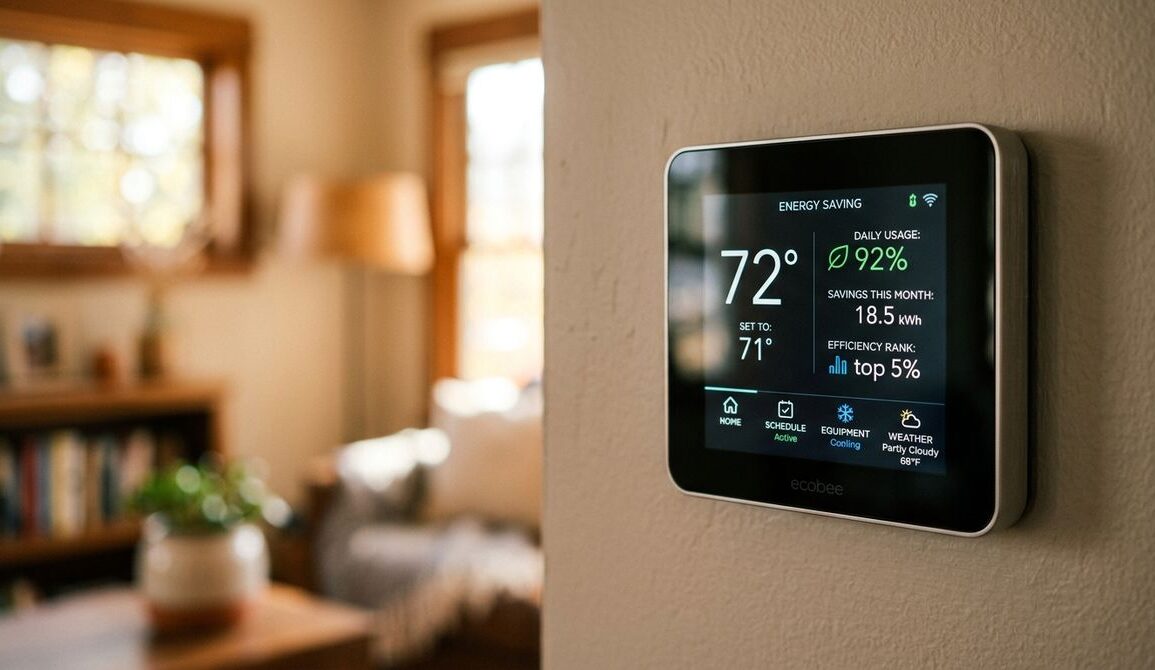
Climate control is perhaps the most practical area to introduce automation. Smart thermostats learn your preferences over time and adjust temperatures based on your daily patterns, ensuring comfort when you are present and saving energy when you are away. Beyond simple temperature regulation, modern systems can manage individual room sensors, providing a more balanced environment throughout the home. This targeted approach prevents overheating or cooling unused spaces, which improves both comfort and operational efficiency.
Further improvements can be made by integrating smart vents or blinds. These additions allow you to control natural light and airflow more precisely. During warmer months, automated blinds can close to block intense sunlight, reducing the load on your cooling system. In cooler periods, they can open to take advantage of natural solar heating. These small, thoughtful additions contribute significantly to maintaining a consistent indoor climate while reducing the reliance on forced air systems, making your home a more sustainable and pleasant place to live.
Lighting and Atmosphere Customization
Strategic lighting goes far beyond basic visibility; it has a profound effect on the mood and usability of any room. Automation allows you to shift from a bright, task-oriented environment to a warm, relaxing atmosphere with a single command. Smart bulbs and dimmers offer the flexibility to change color temperatures to match the time of day, supporting the natural rhythm of your household. Soft, warm lighting in the evening can signal to the body that it is time to wind down, while bright, cool lighting in work areas can help maintain focus.
Beyond manual control, scheduling and motion sensors are key to efficient lighting management. Imagine entering a hallway after sunset and having the lights gently brighten to a comfortable level, or having all lights turn off automatically when the last person leaves a room. This reduces waste and adds an element of luxury to your daily life. The key is to program these automations based on your specific habits, creating presets that are easy to access but do not require constant adjustment.
Smart Security and Environment Monitoring
Security and environmental health are paramount to a well-run home. Connected doorbells, cameras, and window sensors provide peace of mind by allowing you to monitor the state of your property remotely. These systems do more than record footage; they can provide alerts for unusual activity or even notify you if a window was left open. This level of oversight ensures that your home is always protected, regardless of where you are.
Environmental sensors also play a crucial role in maintaining a healthy, comfortable interior. These devices can monitor factors such as humidity levels and indoor air quality, notifying you if conditions change unexpectedly. Maintaining balanced humidity is especially important for protecting wood floors and furnishings. If you ever face challenges with stale air or unwanted scents that persist despite regular cleaning, remember there are practical tips for neutralizing stubborn home odors that can keep your living space fresh and welcoming.
Managing Your Digital Ecosystem
As you add more connected devices, managing them effectively becomes the final, and perhaps most important, step. Centralizing control through a single app or hub prevents the frustration of managing disparate systems. This centralized management ensures that your routines work in harmony. It is useful to periodically review your settings to ensure that your automated schedules still align with your current lifestyle, as needs can change as the seasons turn or your daily routine shifts.
Staying informed about the latest trends and best practices in home tech is a great way to improve your system over time. When you seek inspiration for better living, resources such as iamthomasjullien.com offer fresh perspectives on international trends and lifestyle improvements that can help you envision new ways to optimize your space. For those who want to stay informed about the latest tools, Digitallard.com provides essential insights for digital citizens looking for updates that can make managing your modern home even easier.
- Review and update automated schedules monthly.
- Check software and firmware updates for all connected devices.
- Ensure your network security settings are updated regularly.
Automation should always serve your needs rather than dictate them. The goal is to create a home that feels more responsive and attuned to your lifestyle. By taking small, deliberate steps toward smarter living, you will create a more comfortable, efficient, and enjoyable house for years to come.
The journey to a truly automated home is one of gradual refinement. As you become more comfortable with the technology, you will find new ways to tailor your environment, creating a space that perfectly suits your personal comfort and functional requirements. Embrace the process of testing different settings and finding what works best for your household’s unique rhythm, and enjoy the added layer of ease that smart integration provides.