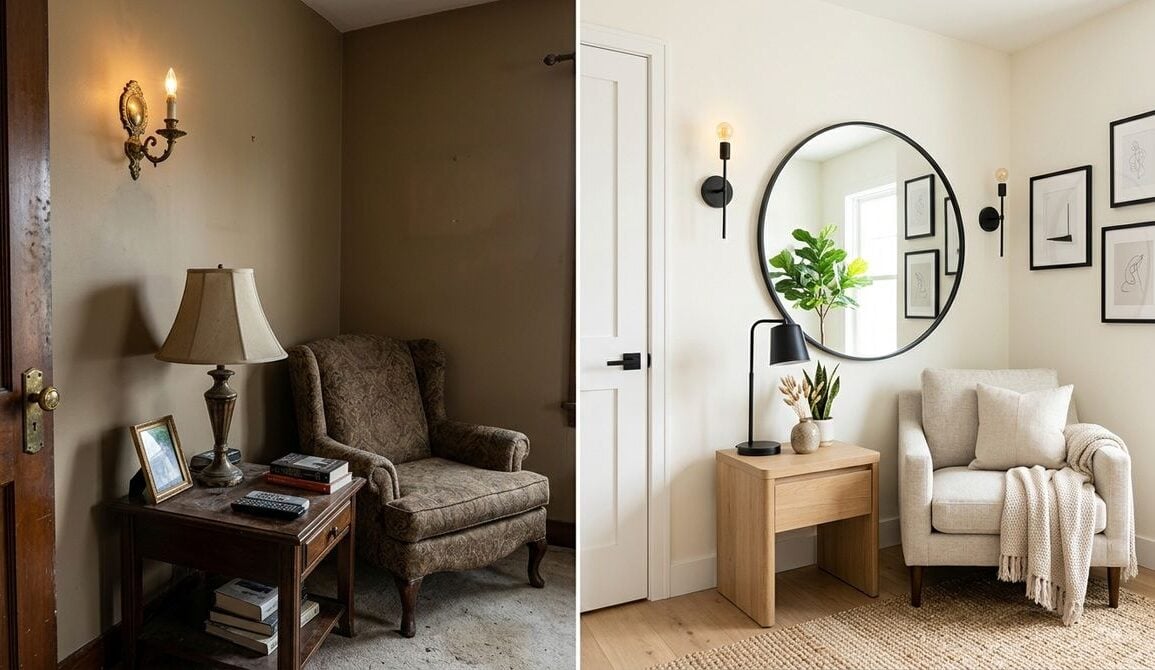
Start by deciding who will sleep in the room and how often, because that answer shapes every choice that follows. A spare room can become a comfortable guest suite with a modest budget, but only if the plan stays organized from the start. The stages below walk through the path from a rough idea to a finished room. Each stage separates the decisions you must make now from the ones that can wait. Keep a running list so nothing gets lost between weekends of work.
Defining the Purpose of the Room
Write down the main use of the room in one sentence. A guest suite needs a bed, storage and a place to set luggage, while a studio needs a desk and good light. Consider how long a typical visit lasts, since a two-night stay and a two-week stay call for different furniture. Note any household needs that could compete for the same space.
Look at other homes and hotels to see how smaller rooms handle storage and privacy. Readers may also want to visit Nova Magazine. Sketch two or three arrangements on graph paper before you buy anything. Pick the one that leaves a clear path to the door and the closet.
Measuring and Sketching the Layout
Measure the walls, windows, doors and outlets, and mark each one on the sketch. Record the height of the ceiling and any spot where the floor slopes or squeaks. Check where the heating vent sits, because a bed placed over a vent can make the room uncomfortable. Take photos from each corner so you can review the space away from the room.
Compare your measurements against the furniture you plan to use. Tape out the footprint of the bed and dresser on the floor with painter’s tape. Walk through the room a few times to check whether the door swings clear of the furniture. You can also visit Uniquely Women for more reading.
Setting a Realistic Budget
List every category you expect to pay for, including paint, flooring, lighting, bedding and storage. Add a percentage margin for surprises, and keep that margin separate so it is not spent early. Ask two local providers for written estimates when a project involves plumbing or wiring. Compare the estimates line by line instead of by the final total.
Decide which items matter most to guests and which can be simple. A good mattress and reliable lighting usually matter more than decorative extras. Consider secondhand furniture for storage pieces, since they often hold their structure well. Keep receipts in one folder so the final cost is easy to review. For a related read on this site, see Designing Your Central Home Maintenance Command Center.
Scheduling the Work in Sequence
Plan the order of tasks before the first tool comes out. Structural and electrical work should happen before painting, and painting should finish before new flooring goes down. Furniture arrives last, after the room is clean and dry. A written sequence prevents the common mistake of finishing the walls and then cutting into them later.
Book trades for their own slots and confirm the dates in writing. Leave a buffer day between projects so a delay does not stop the whole chain. Keep the bedding and small items in another room while work is underway. A tidy staging area reduces stress and protects belongings from dust.
Choosing Finishes and Furnishings
Select a simple color palette that works in daylight and lamplight. Light neutrals make a small room feel larger, while a single accent color adds character without overwhelming the space. Choose a rug that is wide enough for the bed’s edges to rest on, since that visual link makes the room feel finished. Test paint swatches on a sunny wall and on a shaded one before committing.
Add a bedside surface on each side of the bed when the room allows it. Include a closed storage spot for luggage and a small lamp for reading. A hook or bench near the door gives guests a place to set down keys and bags. These small details make the room feel thoughtful without costing much.
Preparing the Room for Guests
Once the work is done, clean the room thoroughly and air it out for a day. Check the locks, the window coverings and the smoke alarm battery. Make the bed with fresh linens and place a clean towel set on a chair. Leave a short note with the Wi-Fi details, the thermostat settings and the nearest bathroom.
Walk through the finished room as if you were a guest arriving tired at night. Turn on each lamp and open each drawer to see whether anything feels awkward. Fix small problems right away, since a loose handle or flickering bulb leaves a poor first impression. A calm, ready room is the best welcome you can offer.
Keeping the Guest Room Ready
A guest room stays comfortable when it gets a quick reset after each visit. Strip the bed, wash the linens and check the drawers for forgotten items. Dust the surfaces and wipe the switches, since those spots collect fingerprints quickly. Rotate the bedding and cushions every few months so the room keeps its fresh look.
Review the room once a year and decide what needs replacing or moving. Your needs may shift as family plans change, and the room should adapt with them. A spare room that is planned carefully can serve visitors well for many seasons. The best guest suites are simple, clean and ready at a moment’s notice.